





What's Happening?
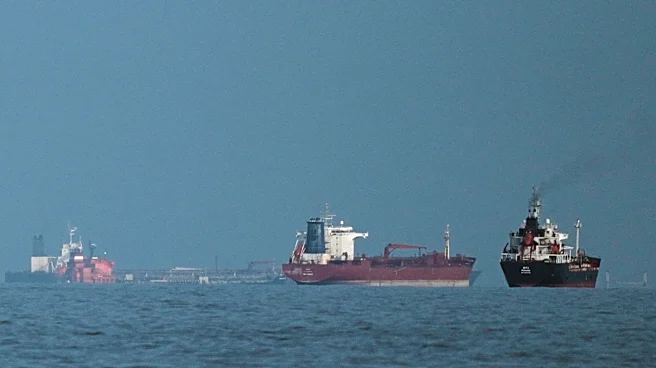
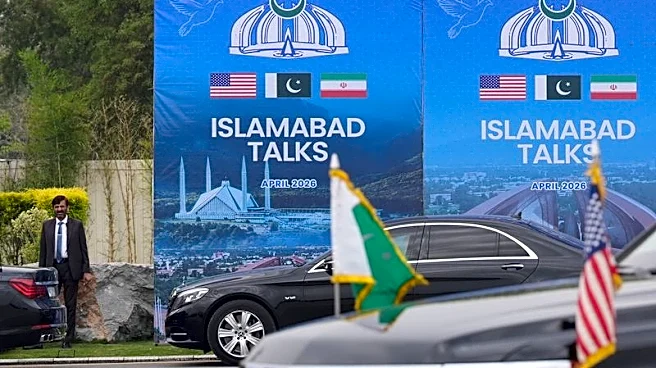
The ongoing conflict in the Middle East, particularly the US and Israeli attacks on Iran, has led to significant disruptions in the region's energy infrastructure, including the effective closure of the Strait of Hormuz. This situation has resulted in surging
crude oil prices and has also impacted ambitious plans for green iron and steel production in the Middle East. Australia, the world's largest exporter of iron ore, sees this as an opportunity to advance its green iron projects. The country has struggled to establish a green iron industry due to high costs associated with hydrogen production from renewable energy and regulatory challenges. However, the current geopolitical situation may provide a window for Australia to capitalize on its green iron ambitions.
Why It's Important?
The development of green iron projects in Australia is significant as it aligns with global efforts to reduce carbon emissions, particularly in the steel industry, which is a major contributor to industrial emissions. The conflict in the Middle East could delay or curtail green iron projects in that region, potentially shifting focus and investment towards Australia. This shift could help Australia overcome previous economic barriers and establish itself as a leader in green steel production. The demand for green steel is expected to grow, especially from industries like automotive, which are committed to reducing emissions. Successful projects in Australia could lead to larger investments and help the country leverage its vast iron ore resources for sustainable development.
What's Next?
Australia's green iron projects may gain momentum as the Middle East conflict continues to disrupt traditional energy and steel production routes. Companies involved in these projects will likely seek to accelerate development to meet the anticipated demand for green steel. The situation may also prompt further investment in renewable energy infrastructure to support hydrogen production, a key component of green iron manufacturing. As the geopolitical landscape evolves, stakeholders in the steel and energy sectors will need to adapt their strategies to capitalize on emerging opportunities and mitigate risks associated with global supply chain disruptions.