








What's Happening?
Indoor air quality (IAQ) is a critical factor affecting health and comfort within buildings, with Americans spending up to 90% of their time indoors. Poor IAQ can lead to respiratory issues, headaches, and long-term health problems. Common indoor pollutants
include mold spores, dust mites, volatile organic compounds (VOCs) from building materials and cleaning products, pet dander, pollen, and combustion byproducts like carbon monoxide. In subtropical regions like Clearwater, Florida, high humidity exacerbates issues by promoting mold and dust mite growth. Modern, energy-efficient, and airtight buildings, while reducing heating and cooling costs, can also trap contaminants, making proper ventilation and air purification essential. The U.S. Environmental Protection Agency (EPA) highlights that HEPA filters can remove 99.97% of airborne particles such as dust, pollen, mold, and bacteria, significantly reducing asthma and allergy symptoms.
Why It's Important?
The emphasis on indoor air quality is vital because the majority of people's time is spent inside, making the air within homes, offices, and schools a direct determinant of public health. Vulnerable populations, including children, the elderly, and individuals with compromised immune systems or existing respiratory conditions, are particularly susceptible to the adverse effects of poor IAQ. Unexplained health symptoms that improve when leaving a building and return upon re-entry often indicate an indoor air quality problem. Addressing IAQ issues can prevent chronic health conditions, reduce healthcare burdens, and improve overall well-being. Furthermore, in real estate, proactive IAQ testing and remediation can protect property values and provide documentation for transactions, especially in areas prone to moisture and mold, safeguarding both buyers and sellers.
What's Next?
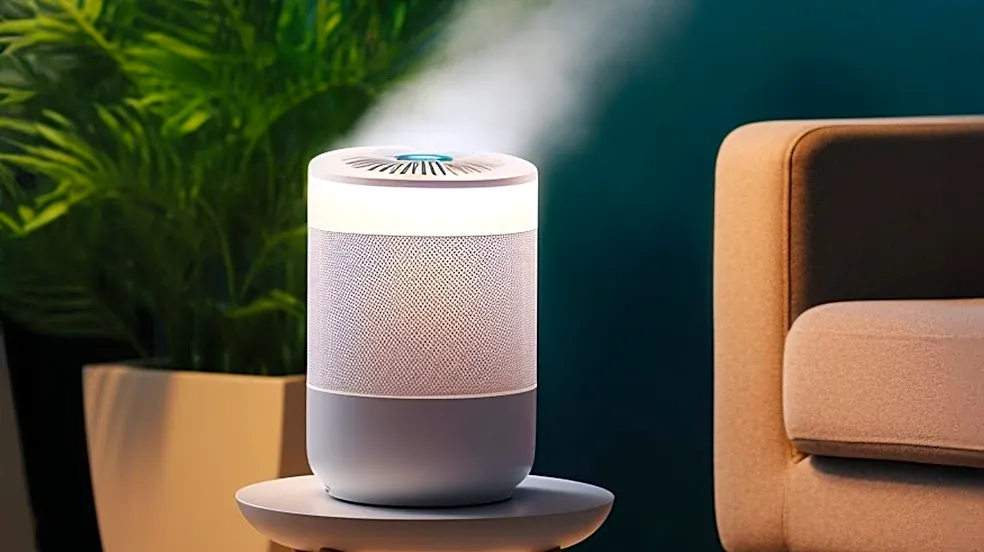
To improve indoor air quality, several steps can be taken. Regular professional air quality evaluations, including visual inspections and air sampling, are recommended to identify specific pollutants and their sources. For mold, surface sampling may also be necessary. After testing, specific recommendations for remediation, such as correcting moisture sources and professional cleaning, should be followed. Post-remediation clearance testing is crucial to verify the effectiveness of the cleanup. Homeowners can also implement measures like using HEPA air purifiers, ensuring proper ventilation by opening windows when outdoor air quality permits, maintaining HVAC systems, using fragrance-free cleaning products, and installing carbon monoxide and smoke detectors. For properties with a history of water damage or unexplained odors, proactive testing is advised before purchase or sale to ensure a healthy environment.
Beyond the Headlines
The focus on indoor air quality extends beyond immediate health concerns to broader societal and economic implications. The increasing awareness of IAQ highlights a shift towards holistic health, recognizing that environmental factors within our personal spaces profoundly impact our daily lives. Ethically, there's a growing responsibility for landlords, property managers, and builders to ensure healthy indoor environments, especially as buildings become more sealed. Legally, this could lead to more stringent building codes and increased litigation related to IAQ issues, particularly in cases of negligence or undisclosed problems. Culturally, there's a rising demand for 'healthy homes' and workplaces, influencing consumer choices in housing, products, and even workplace selection. This trend also underscores the importance of independent testing to avoid conflicts of interest, ensuring that remediation recommendations are based solely on data and not profit motives.