



What's Happening?
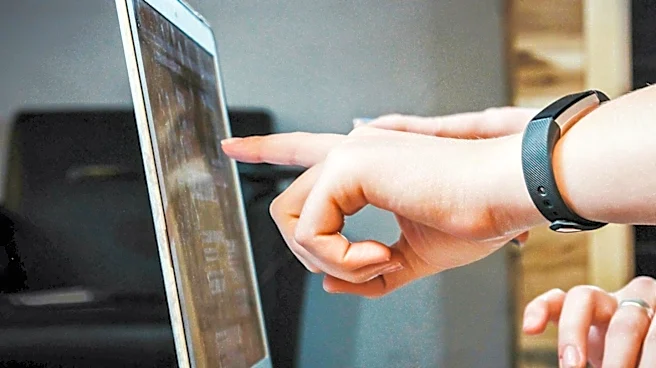
Smartwatches have advanced significantly, now capable of monitoring a wide range of health metrics such as heart rate, stress, and physical activity. Researchers are developing digital biomarkers, which combine these metrics into clinically meaningful
insights. This innovation aims to shift healthcare from reactive to preventive care. However, the U.S. healthcare system, which is primarily designed for episodic care, faces challenges in integrating this continuous data. Privacy concerns also arise, as wearable data is not always protected under federal health privacy laws unless included in medical records.
Why It's Important?
The integration of smartwatch data into healthcare could revolutionize personalized medicine by providing continuous health monitoring. This could lead to earlier disease detection and more tailored treatments. However, the current healthcare system's focus on treating illness rather than preventing it poses a significant barrier. Additionally, the lack of standardized privacy protections for wearable data raises concerns about data misuse. Successfully integrating this technology could improve health outcomes and reduce healthcare costs, but it requires systemic changes and robust privacy safeguards.
What's Next?
For smartwatches to reach their full potential in healthcare, systemic changes are needed. This includes developing standards for data integration into electronic health records and ensuring privacy protections. Researchers are working on creating digital biomarkers that can provide actionable insights without overwhelming healthcare providers with raw data. As technology companies continue to innovate, collaboration with healthcare providers and regulators will be crucial to address these challenges and leverage the full potential of wearable technology.
Beyond the Headlines
The rise of wearable technology highlights the need for a shift in healthcare from reactive to preventive care. This shift could lead to a more personalized approach to health, where individuals are monitored continuously, and treatments are tailored to their unique physiological patterns. However, this also raises ethical questions about data ownership and the potential for misuse. As wearables become more sophisticated, ensuring that data is used ethically and responsibly will be critical to gaining public trust and maximizing health benefits.