






What's Happening?
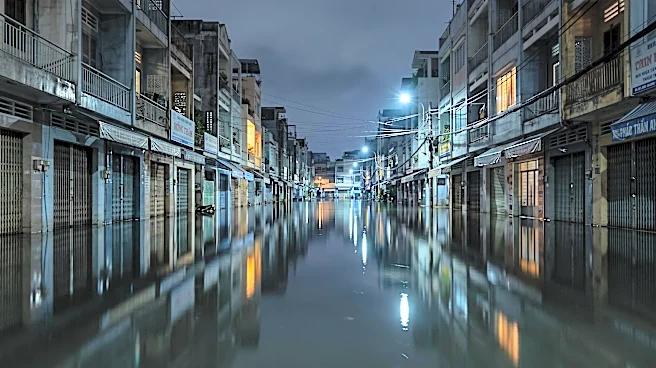
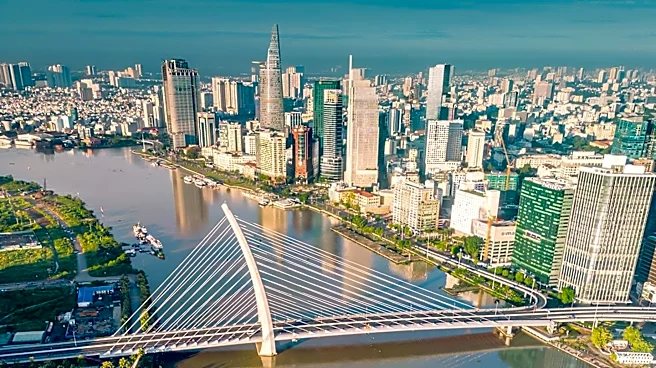
Ho Chi Minh City and the southern region of Vietnam are currently experiencing heavy rainfall. In response, the City People's Committee has issued directives for urgent action to mitigate the impact of potential flooding and landslides. Local authorities
are mandated to review vulnerable areas, clear waterways to ensure drainage, and pay close attention to locations identified as high-risk for dangerous landslides. Security forces are to be deployed in flood or landslide-prone areas to erect warning signs and prevent access to unsafe locations. When necessary, proactive evacuation of residents to safe zones is required, along with providing assistance to affected families. This comprehensive approach aims to minimize damage and ensure public safety during the ongoing severe weather conditions.
Why It's Important?
The proactive measures taken by Ho Chi Minh City are crucial for safeguarding its population and infrastructure against the severe consequences of heavy rainfall, which can lead to widespread flooding and destructive landslides. By identifying vulnerable areas and implementing preventative actions like clearing waterways and deploying security forces, the city aims to reduce the immediate risks to human life and property. The emphasis on early evacuation and assistance for affected families highlights a commitment to humanitarian response and community resilience. This approach serves as a critical model for urban centers globally, particularly those in regions susceptible to extreme weather events, demonstrating the importance of preparedness and rapid response in disaster management to protect economic stability and social well-being.
What's Next?
Following the current heavy rainfall, Ho Chi Minh City's local authorities will continue to monitor weather developments closely. The directives emphasize ongoing vigilance, with forces remaining mobilized to assist residents with evacuations and property protection as needed. Damage assessment reports will be compiled to facilitate the development of support plans for affected areas. Furthermore, the City People's Committee has urged departments to expedite disaster prevention and control projects and implement plans for protecting dikes and embankments. Infrastructure departments will focus on operating sluice gates and pumping stations effectively, while also reviewing the safety of underground structures. Public awareness campaigns will be strengthened to educate residents on natural disaster response skills, ensuring a more prepared populace for future events.
Beyond the Headlines
The comprehensive disaster response strategy in Ho Chi Minh City reflects a broader understanding of climate change impacts and the necessity for adaptive urban planning. Beyond immediate relief, the focus on infrastructure projects, such as improving drainage and securing embankments, indicates a long-term commitment to building resilience against increasingly frequent and intense weather phenomena. The integration of public education and community involvement in disaster preparedness signifies a shift towards a more holistic approach, recognizing that effective disaster management extends beyond governmental action to include informed and empowered citizens. This proactive stance could set a precedent for other densely populated coastal cities facing similar environmental challenges, fostering a culture of preparedness and sustainable urban development in the face of global climate shifts.