


What's Happening?
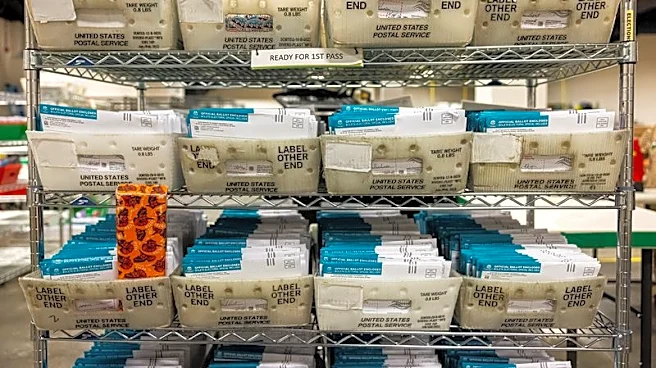
Hawaii election officials are anticipating a prolonged ballot-counting process following the general election, with final results for some races potentially not being available until Wednesday. As of Monday, over 290,000 ballots had been cast statewide,
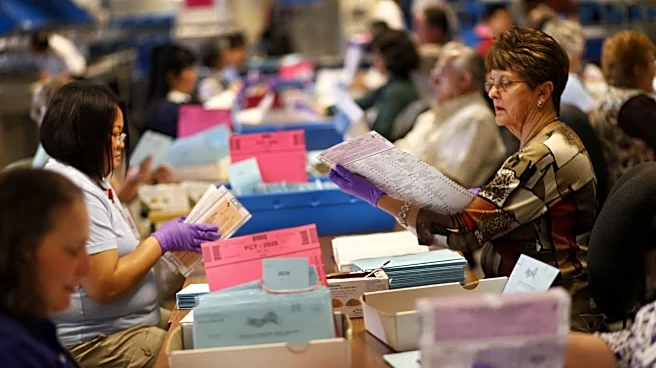
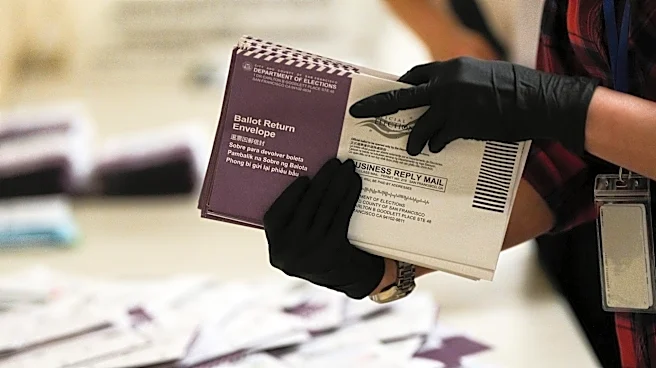
predominantly by mail, out of approximately 725,000 mailed to registered voters. Chief Election Officer Scott Nago noted an increase in voter turnout on Election Day, contributing to the extended processing time. The complexity of this year's ballots, which include numerous proposed charter amendments and constitutional questions, has resulted in two-page ballots, particularly on O'ahu, further extending the counting duration. The first release of election results is legally mandated to occur only after all voters in line by the 7 p.m. deadline have cast their ballots statewide, with an initial report expected around 7:30 p.m. This report will cover mail-in ballots received through Saturday, followed by a second report at 10:30 p.m. incorporating in-person votes and mail-in ballots received through Monday. Officials emphasize the necessity of signature verification on return envelopes before ballots are processed by tabulators.
Why It's Important?
The extended ballot counting in Hawaii's general election highlights the logistical challenges and meticulous processes involved in ensuring election integrity. The delay in final results, potentially until Wednesday, underscores the importance of thorough signature verification and the impact of multi-page ballots on processing times. This situation could lead to a period of uncertainty for candidates and the public, particularly in closely contested races. The emphasis on mail-in ballots, with the vast majority cast this way, reflects a significant shift in voting patterns and the reliance on secure mail systems. The need for voters to drop off ballots in person if not mailed in time also points to the critical role of voter education and clear communication from election officials to ensure all eligible votes are counted. The outcome of these elections will determine representation at various levels, from local offices to the U.S. House, shaping the political landscape and policy decisions in Hawaii.
What's Next?
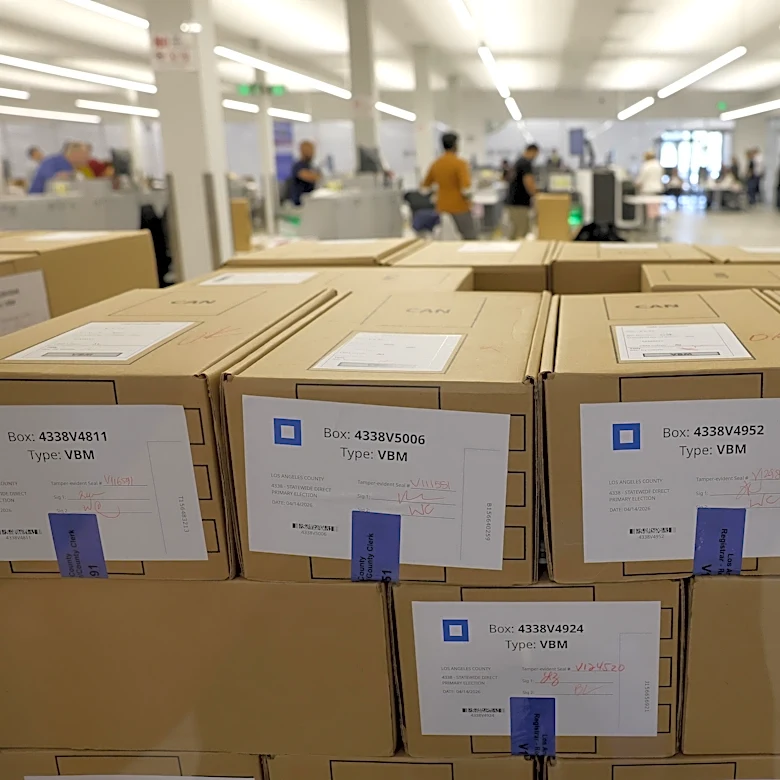
Election officials will continue their overnight ballot-counting marathon at the Hawaii State Capitol. The first official results report, encompassing mail-in ballots received through Saturday, is anticipated around 7:30 p.m. A subsequent report, including in-person votes and additional mail-in ballots, is scheduled for 10:30 p.m. However, final conclusive results, especially for tight races, are not expected until Wednesday due to the mandatory signature verification process. Voters who have not yet cast their ballots are advised by Chief Election Officer Scott Nago to sign their envelopes and deliver them to a place of deposit rather than mailing them. The ongoing processing of ballots and the staggered release of results will keep the public and candidates awaiting the definitive outcomes of the general election.
Beyond the Headlines
The extended ballot counting in Hawaii underscores broader implications for election administration and public trust. The shift towards predominantly mail-in ballots, while offering convenience, introduces complexities in processing and verification that can prolong result tabulation. This situation highlights the delicate balance between efficiency and accuracy in democratic processes. The need for mandatory signature verification, a critical step to prevent fraud, inherently adds time to the counting process, especially with a high volume of ballots. Furthermore, the inclusion of numerous local amendments and constitutional questions on the ballot, leading to two-page documents, illustrates the increasing demands placed on election systems. This complexity can impact voter engagement and the clarity of electoral choices. The public's patience and understanding during these extended counting periods are crucial for maintaining confidence in the electoral system, particularly as discussions around election security and integrity continue nationwide.