






What's Happening?
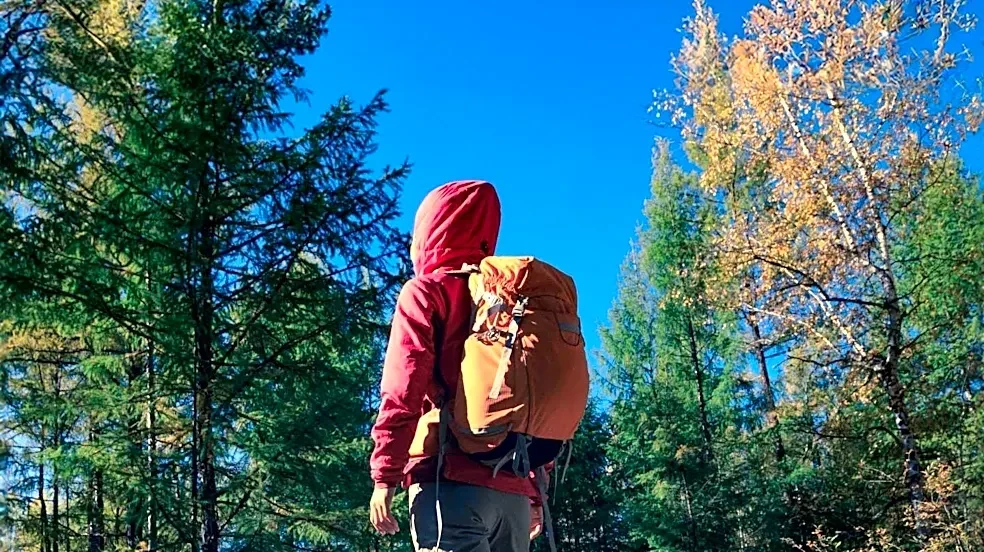
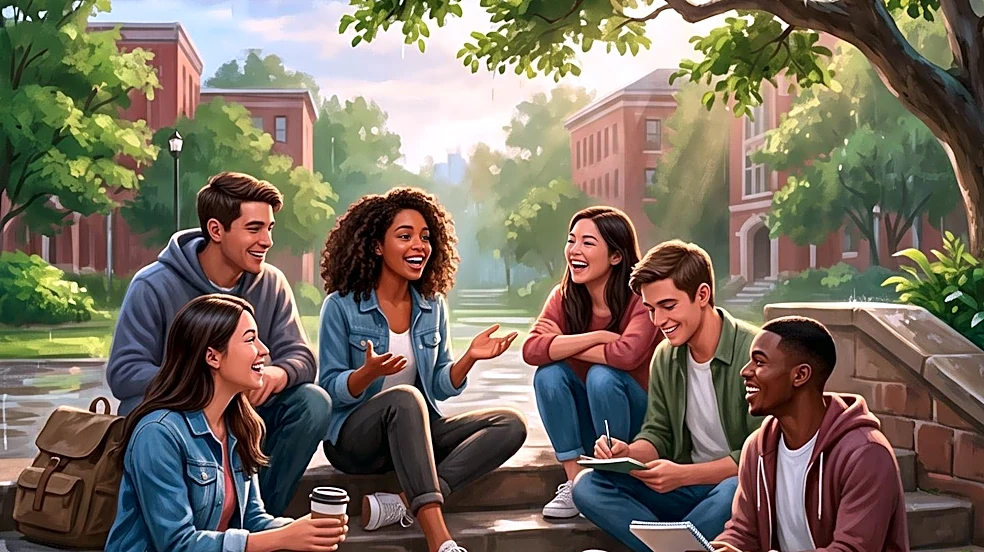
Adaptive Physical Education (PE) classes from Catskill High School recently undertook a fall hike at North-South Lake State Park. During their outing, students engaged in various activities designed to enhance their outdoor skills and historical knowledge.
They visited the observation deck to view Kaaterskill Falls and explored the historic Catskill Mountain House site, where they learned about the area's past while observing the autumn foliage. Students identified local landmarks such as Story’s Farm and the Rip Van Winkle Bridge. For some students, this trip marked their first visit to North Lake, providing a unique opportunity to discover a new area. The excursion also focused on developing practical outdoor skills, including following trail markers and navigating with a map, fostering both physical activity and educational enrichment.
Why It's Important?
This initiative by Catskill High School's Adaptive PE program is important for promoting inclusive outdoor education and physical activity among students with diverse needs. By providing opportunities to explore natural environments like North-South Lake State Park, the program helps students develop essential life skills, such as navigation and historical awareness, in a practical setting. Such experiences contribute to students' overall well-being, fostering a connection with nature and promoting physical fitness. For many, it offers a chance to engage in activities they might not otherwise experience, breaking down potential barriers to outdoor recreation. The focus on historical significance also integrates academic learning with physical education, enriching the educational experience and demonstrating the value of experiential learning for all students.
What's Next?
The success of this outing may encourage Catskill High School and other educational institutions to continue or expand similar adaptive outdoor programs. Future initiatives could involve exploring different natural sites, incorporating more advanced outdoor skills, or collaborating with local park services for specialized educational content. The positive feedback and engagement from students suggest a demand for such inclusive activities. Educators might also look for ways to integrate these outdoor experiences more formally into the curriculum, potentially leading to partnerships with environmental organizations or historical societies. The development of outdoor skills and appreciation for local history gained from such trips can have lasting benefits for students, potentially inspiring further engagement with nature and community resources.
Beyond the Headlines
This event highlights a broader educational trend towards experiential learning and inclusive practices in physical education. Beyond the immediate benefits of physical activity and historical knowledge, such outings foster social-emotional development, teamwork, and self-reliance among students. For adaptive PE students, these experiences can be particularly empowering, challenging perceived limitations and building confidence in new environments. It also underscores the importance of utilizing local natural and historical resources as educational tools, transforming classrooms into dynamic outdoor settings. The program serves as a model for how schools can create accessible and enriching experiences that cater to the diverse needs of their student population, promoting a holistic approach to education that extends beyond traditional classroom walls.