







What's Happening?
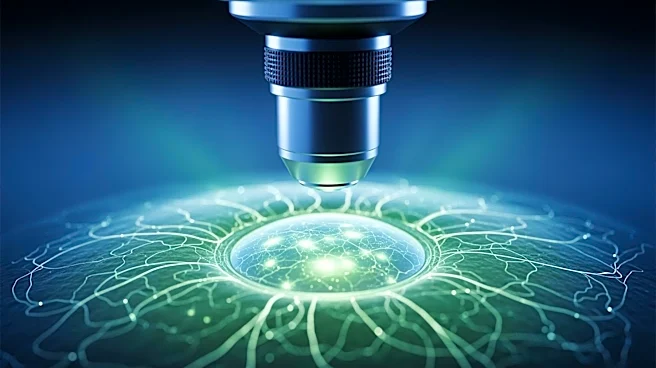
Researchers have developed deep learning models to improve the diagnosis and subtype differentiation of infectious keratitis (IK) using slit-lamp photographs. The study involved 13,953 images from patients with various types of keratitis, including bacterial,
fungal, Acanthamoeba, and herpes simplex, as well as healthy controls. The models demonstrated high accuracy in distinguishing IK from normal conditions and among different subtypes. External validation further confirmed the models' effectiveness, suggesting their potential for widespread clinical application in improving the management of IK.
Why It's Important?
The development of AI-assisted diagnostic tools for infectious keratitis represents a significant advancement in ophthalmology. Accurate and timely diagnosis is crucial for effective treatment and prevention of corneal blindness, a major global health issue. These AI models could enhance diagnostic accuracy, reduce the burden on healthcare professionals, and improve patient outcomes. The integration of AI in medical diagnostics also underscores the growing role of technology in healthcare, offering new possibilities for disease management and patient care.