







What's Happening?
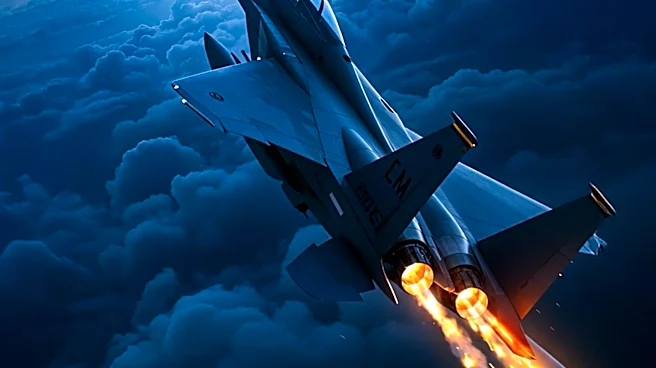
Paraguay is evaluating the acquisition of Taiwan's recently retired F-5E/F Tiger II fighter jets and AIDC AT-3 Tzu Chung trainers. This potential procurement aims to re-establish a supersonic combat capability that Paraguay has lacked for decades. The
F-5s, with a maximum speed of Mach 1.63, would complement Paraguay's ongoing acquisition of subsonic Embraer A-29 Super Tucanos, which are primarily intended for surveillance, counter-narcotics, training, and light attack. Taiwan previously operated the world's largest F-5E/F fleet, with 336 Tiger IIs, many of which were manufactured locally between 1973 and 1986. Taiwan progressively phased out its F-5s after introducing more modern aircraft like F-16s and Mirage 2000-5s, retiring its remaining F-5Es in November 2023 and the last F-5Fs and RF-5Es in July 2025. The decision for Paraguay involves weighing the strategic value of these older airframes against significant operational challenges, including the need for comprehensive radar modernization, sustained logistics, and a substantially higher flight-hour budget compared to the A-29s.
Why It's Important?
The potential acquisition by Paraguay highlights the challenges and opportunities associated with transferring older military hardware between nations. For Taiwan, offloading retired F-5s could be a way to strengthen diplomatic ties and reduce maintenance burdens, while for Paraguay, it represents a chance to rapidly enhance its air defense capabilities. However, the integration of 40-year-old airframes presents substantial logistical and financial hurdles. The F-5's original sensor and weapons architecture is limited by modern standards, meaning Paraguay would need to invest heavily in upgrades to achieve a comparable fighter capability to more modern fleets. The cost of operating F-5s is estimated at $5,000 per flight hour, significantly higher than the $1,000 to $1,200 for the A-29, which could strain Paraguay's defense budget. This situation underscores the complex balance between acquiring advanced capabilities and managing the long-term costs and operational complexities of maintaining aging military assets.
What's Next?
Paraguay's decision will hinge on a thorough assessment of the F-5's remaining fatigue life, the required radar and weapons configurations, the extent of the spare parts package Taiwan can provide, and the annual F-5 flight hours Paraguay is prepared to finance. The country must determine whether the objective is to restore a limited supersonic visual-intercept capability or to develop a more comprehensive fighter force with modern radar, beyond-visual-range missiles, secure communications, and electronic self-protection, similar to Brazil's modernized F-5EM fleet. The AT-3 trainers could help bridge the gap for pilots transitioning from A-29s to supersonic jets, but they would also introduce additional maintenance and training requirements. The financial implications are significant, as every $10 million allocated to direct flight operations would buy 2,000 F-5 hours versus 8,333 to 10,000 A-29 hours, meaning Paraguay would pay four to five times more per flying hour for supersonic interception.
Beyond the Headlines
This potential deal reflects a broader trend in global defense where nations with limited budgets seek to acquire proven, albeit older, military technology from allies. The transfer of F-5s from Taiwan to Paraguay could have geopolitical implications, potentially strengthening Taiwan's international standing and its relationships with South American countries, especially as China continues to exert influence in the region. The challenges Paraguay faces in modernizing and sustaining these aircraft also highlight the ethical considerations of transferring military equipment that may require significant additional investment to be effective in a contemporary threat environment. The long-term success of such a transfer depends not just on the initial acquisition but on a robust commitment to ongoing maintenance, training, and technological upgrades, which can often exceed the initial purchase cost. This scenario also brings into focus the strategic value of maintaining a diverse fleet of aircraft, balancing cost-effective surveillance and light attack capabilities with the need for rapid interception.