









What's Happening?
India has announced a significant policy change aimed at attracting foreign portfolio investments by exempting foreign investors and the Bank for International Settlements from income tax on interest or capital gains. This exemption will be effective
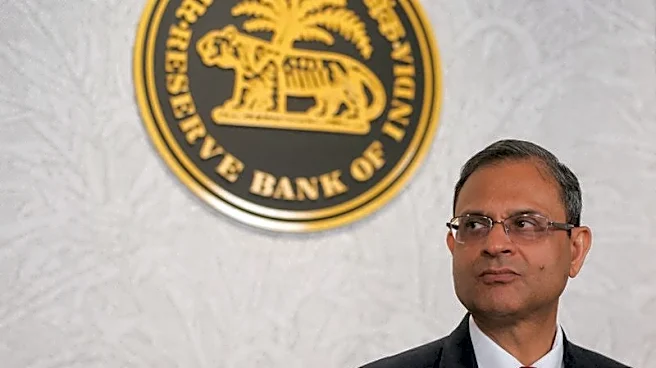
from April 1, 2026. The move comes as India faces record-high foreign capital outflows, with foreign investors previously subjected to a 12.5% long-term capital gains tax on listed shares and bonds held for over 12 months, and a 20% withholding tax on interest from government bonds. Additionally, the Reserve Bank of India has expanded the range of government securities available for non-resident investors and removed limits on short-term investments and individual securities for foreign portfolio investors. These measures are part of a broader strategy to improve India's balance of payments and stabilize the rupee, which has been under pressure due to significant foreign investor sell-offs and rising global oil prices.
Why It's Important?
This policy shift is crucial for India's economic strategy as it seeks to stabilize its currency and attract foreign capital amid global economic uncertainties. By removing tax barriers, India aims to reverse the trend of capital outflows that have negatively impacted the rupee, making it one of the worst-performing currencies in Asia. The influx of foreign capital is expected to bolster India's financial markets and provide a buffer against external economic shocks. This move also aligns with India's broader economic reforms and trade agreements, potentially enhancing its attractiveness as an investment destination. The policy is likely to benefit non-resident Indians and overseas citizens of India by increasing investment opportunities without the need for registration with India's capital market regulator.
What's Next?
The implementation of these tax exemptions and regulatory changes is expected to commence in April 2026. In the coming months, the Indian government and the Reserve Bank of India will likely monitor the impact of these measures on foreign capital inflows and the rupee's performance. Market analysts and investors will be watching closely to assess the effectiveness of these policies in reversing capital outflows and stabilizing the currency. Additionally, the Indian government may consider further economic reforms to enhance its investment climate and address any emerging challenges in the global economic landscape.