






What's Happening?
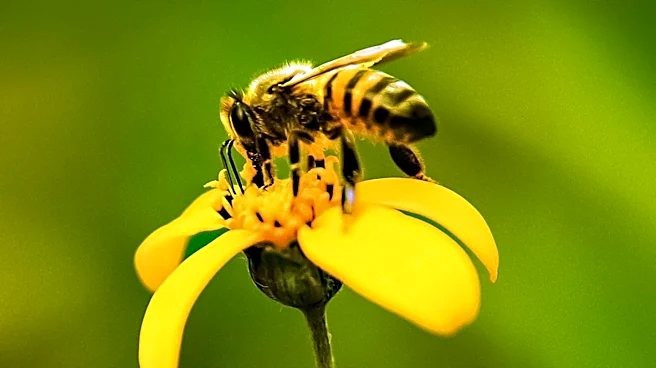
Smyrna has officially received the 'Bee City' designation from a national conservation group, recognizing its efforts to attract and protect bees and butterflies. This initiative is spearheaded by Keep Smyrna Beautiful, a nonprofit organization working
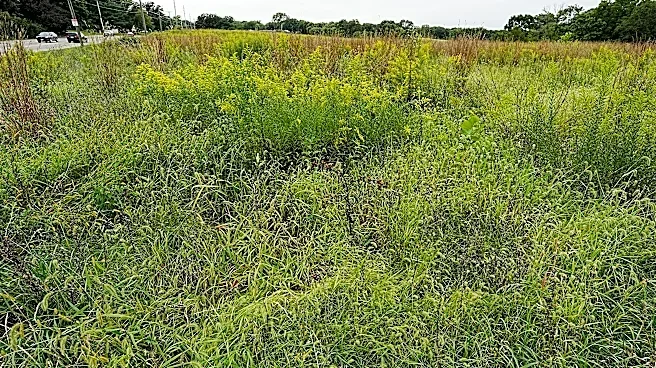
in conjunction with the city. The Executive Director of Keep Smyrna Beautiful, Julie Barwig, highlighted the success of their Pollinator Pocket Gardens, noting that these areas, once bare ground, now consistently attract pollinators. The organization attributes the decline in bee and butterfly populations to excessive development and pesticide use. To combat this, Smyrna has established two Pollinator Pockets and plans to create seven in total. Keep Smyrna Beautiful's Eloise Holland emphasized the importance of educating the public about the harm caused by spraying pesticides. While West Nile virus has led to human cases and one death in Georgia, most metro area municipalities, including Smyrna, avoid spraying to kill adult mosquitoes, opting instead for larvicides to manage mosquito populations without harming beneficial insects.
Why It's Important?
The 'Bee City' designation for Smyrna underscores a growing national awareness of the critical role pollinators play in ecosystem health and agricultural productivity. Bees and butterflies are essential for the reproduction of many plants, including those that produce food for human consumption. The decline in pollinator populations due to habitat loss and pesticide use poses a significant threat to biodiversity and food security. Smyrna's initiative serves as a model for other communities seeking to mitigate these environmental challenges. By creating Pollinator Pocket Gardens and educating residents about the dangers of pesticides, the city is actively contributing to the conservation of these vital species. This effort also demonstrates a balanced approach to public health concerns, prioritizing targeted larvicide use over broad-spectrum adulticide spraying to protect pollinators while still managing mosquito-borne diseases.
What's Next?
Smyrna plans to expand its Pollinator Pocket Garden program, with a goal of establishing seven such gardens throughout the city. Keep Smyrna Beautiful will continue its public awareness campaigns to educate residents about the importance of pollinators and the adverse effects of pesticides. The city's ongoing commitment to using larvicides for mosquito control, rather than adulticides, is expected to continue, maintaining a balance between public health and environmental protection. Other municipalities may look to Smyrna's success as a blueprint for implementing similar pollinator conservation programs, potentially leading to a broader movement towards 'Bee City' designations across the U.S. The long-term impact will depend on sustained community engagement and continued support for environmentally friendly practices.
Beyond the Headlines
The 'Bee City' designation reflects a deeper societal shift towards recognizing and addressing ecological imbalances at the local level. Beyond the immediate environmental benefits, such initiatives foster community engagement and environmental stewardship. They encourage residents to consider their impact on local ecosystems and adopt more sustainable practices in their own gardens and properties. This movement also highlights the interconnectedness of urban development, public health, and environmental conservation. The choice to use larvicides over adulticides for mosquito control, for instance, illustrates a nuanced understanding of ecological trade-offs and a commitment to minimizing collateral damage to beneficial species. This approach could influence policy decisions in other areas, promoting integrated pest management strategies that prioritize ecological health.