


What's Happening?
Former German Foreign Minister Joschka Fischer delivered a keynote address at ITB Berlin 2026, emphasizing the need for the tourism industry to adapt to geopolitical challenges and enhance crisis management. Fischer highlighted the end of a rules-based
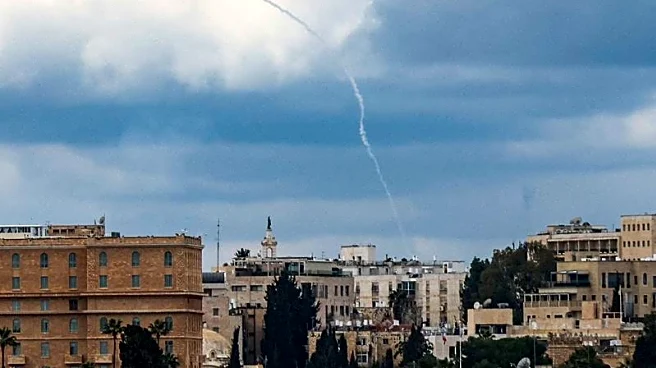
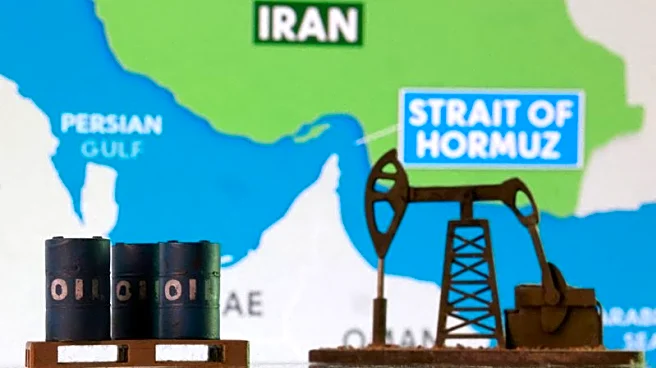
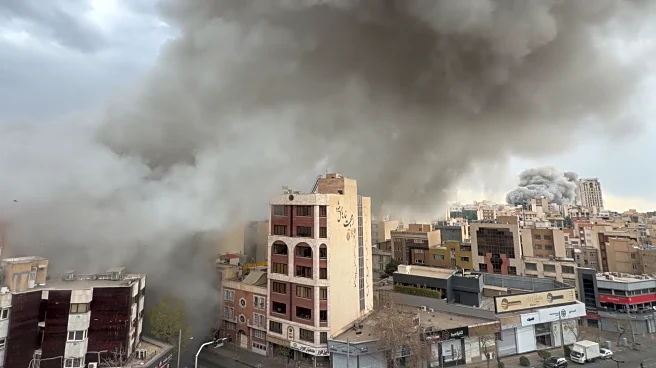
world order, with power dynamics now dominated by the United States, China, and potentially India. He urged the tourism sector to proactively address geopolitical risks, suggesting that industry leaders could play a role in diplomatic efforts. Fischer pointed to the ongoing conflict involving the US, Israel, and Iran, noting Israeli Prime Minister Benjamin Netanyahu's recent visit to Washington as a precursor to military action. He expressed skepticism about a positive resolution to the conflict and raised concerns about the stability of the Iranian state, which could lead to regional instability affecting the Gulf states.
Why It's Important?
Fischer's remarks underscore the significant impact of geopolitical instability on the tourism industry, which must navigate safety concerns and potential disruptions. The ongoing US-Israel-Iran tensions could deter travel to affected regions, impacting tourism revenues and local economies. By advocating for improved crisis management, Fischer highlights the need for the industry to be better prepared for unforeseen events, drawing lessons from past crises like the 2004 tsunami in Thailand. The tourism sector's ability to adapt to these challenges is crucial for maintaining traveler confidence and ensuring the safety of tourists in volatile regions.
What's Next?
The tourism industry may need to reassess its crisis management strategies and collaborate with diplomatic services to mitigate risks associated with geopolitical tensions. As the conflict involving the US, Israel, and Iran evolves, industry leaders might engage in dialogue with government officials to better understand potential threats and develop contingency plans. The sector could also explore technological solutions to enhance safety measures and provide real-time information to travelers. These steps could help the industry navigate the complexities of global instability and maintain its resilience in the face of ongoing challenges.