






What's Happening?
A CNN analysis, based on data from ScholarshipStats.com compiled by Patrick O’Rourke, reveals that only 7% of high school athletes will compete on a college roster at any level, and a mere 2% will earn an NCAA athletic scholarship. The odds vary significantly
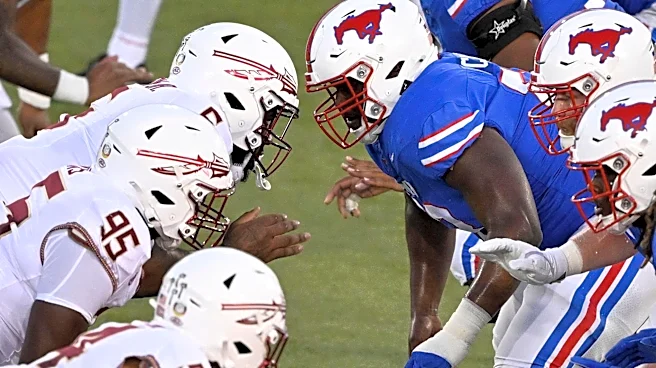
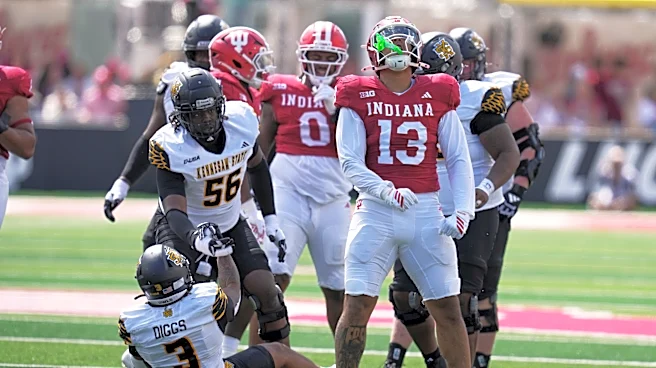
by sport; football, despite its popularity with over 1 million high school participants, offers relatively better chances (11:1 for any college roster, 33:1 for Division I) due to numerous collegiate teams and large rosters. Conversely, more obscure sports present much longer odds, such as female wrestlers facing 709:1 odds for a Division I spot. The analysis also highlights that while athletic talent can aid college admissions, particularly in competitive academic institutions where student-athletes can comprise up to a fifth of the student body, the financial investment in youth sports often outweighs the potential for scholarships or professional careers.
Why It's Important?
This data is crucial for U.S. families investing significant time and money into youth sports with the hope of securing college opportunities. The low probability of achieving athletic scholarships or professional careers suggests that many parents may be making financial decisions based on unrealistic expectations. This can lead to substantial financial strain, as youth sports involve thousands of dollars in fees, travel, and equipment. The analysis encourages a reevaluation of the perceived return on investment in elite youth sports, prompting parents to consider alternative financial planning, such as 529 college savings plans, as a more reliable path to higher education. It also sheds light on the broader landscape of college admissions, where athletic ability can serve as a non-academic advantage, influencing diversity and access within higher education institutions.
What's Next?
The findings may prompt parents and student-athletes to reassess their strategies and investments in youth sports. There could be a shift towards prioritizing the intrinsic benefits of sports, such as physical, mental, and emotional development, over the pursuit of elusive college scholarships. Educational institutions and athletic programs might face increased scrutiny regarding the transparency of scholarship opportunities and the true value of athletic recruitment. Financial advisors may increasingly counsel families to diversify their college savings strategies rather than solely relying on athletic scholarships. This analysis could also fuel discussions about the commercialization of youth sports and the need for more affordable and accessible recreational options that focus on participation and enjoyment rather than intense competition and professional aspirations.
Beyond the Headlines
The CNN analysis uncovers deeper societal implications regarding the American youth sports industrial complex. The intense focus on achieving college scholarships or professional careers through sports can create immense pressure on young athletes, potentially leading to burnout, injuries, and mental health challenges. It also highlights socioeconomic disparities, as families with greater financial resources can afford the high costs associated with elite travel teams and specialized training, potentially widening the gap in opportunities for less affluent athletes. The data challenges the narrative that sports are a guaranteed pathway to upward mobility, urging a more realistic understanding of the odds. This could lead to a cultural shift where the value of youth sports is redefined, moving away from a transactional model towards one that emphasizes holistic development and lifelong physical activity.