
What's Happening?
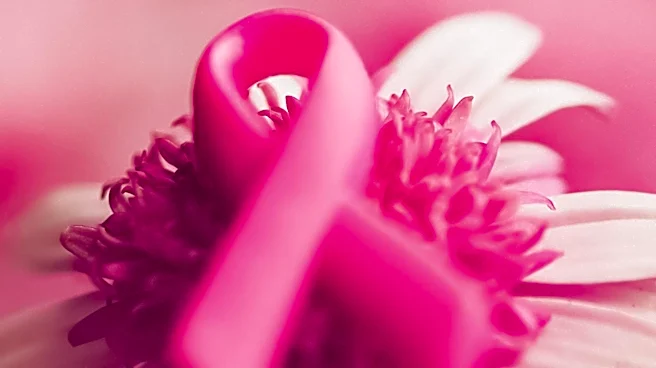
Claire, the 30-year-old daughter of Hong Kong media founder Jimmy Lai, has been diagnosed with cancer and will undergo treatment in the United Kingdom. Her father, Jimmy Lai, remains imprisoned in Hong Kong under the National
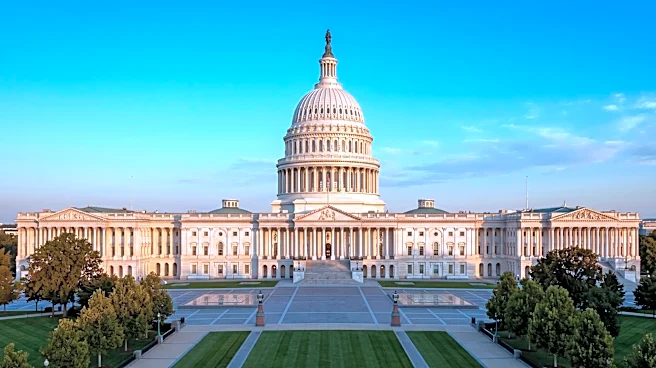
Security Law. Claire revealed her diagnosis during an interview with U.S. media outlet The Daily Wire, stating that her health condition will require her to temporarily step back from her public advocacy efforts for her father's release. Despite facing her own health challenges, Claire expressed that her suffering is insignificant compared to her father's prolonged incarceration, and her primary wish is for his freedom and presence by her side. Following this news, U.S. Representative John Moolenaar, Chairman of the House Select Committee on the Chinese Communist Party, voiced his concern and affirmed the committee's continued efforts to advocate for Jimmy Lai's release during Claire's treatment.
Why It's Important?
This development highlights the personal toll of political imprisonment on families and draws international attention to human rights concerns in Hong Kong. The public statement from U.S. Representative John Moolenaar underscores the ongoing commitment of certain U.S. political figures to advocate for individuals perceived as victims of political persecution. It reinforces the narrative of U.S. involvement in international human rights issues and its stance on Hong Kong's autonomy. The situation could further strain U.S.-China relations, particularly as U.S. lawmakers continue to press for the release of Jimmy Lai, who is seen by many as a symbol of press freedom and democracy in Hong Kong. The focus on Claire's health also adds a humanitarian dimension to the broader geopolitical tensions.
What's Next?
The House Select Committee on the Chinese Communist Party, led by Representative Moolenaar, is expected to continue its advocacy for Jimmy Lai's release, even as his daughter undergoes cancer treatment. This could involve further public statements, diplomatic pressure, or legislative actions aimed at addressing human rights in Hong Kong. International human rights organizations and political figures are likely to maintain their calls for Lai's freedom, potentially increasing scrutiny on Hong Kong's legal system and China's implementation of the National Security Law. Claire's temporary withdrawal from public advocacy may shift the focus of the campaign for her father's release, but the underlying efforts by international bodies and U.S. officials are anticipated to persist.
Beyond the Headlines
The situation transcends a simple political or health story, touching upon the ethical implications of state power and individual liberty. The personal sacrifice of Claire, who prioritizes her father's freedom over her own battle with cancer, exemplifies the profound human cost of political crackdowns. It also raises questions about the role of international bodies and foreign governments in intervening in what some consider internal affairs, and the effectiveness of such interventions. The narrative of resilience and faith in the face of adversity, as expressed by Claire, adds a cultural and moral dimension, resonating with broader discussions about justice and human dignity in authoritarian contexts. This event could serve as a poignant case study in the ongoing global debate about human rights and geopolitical influence.