




What's Happening?
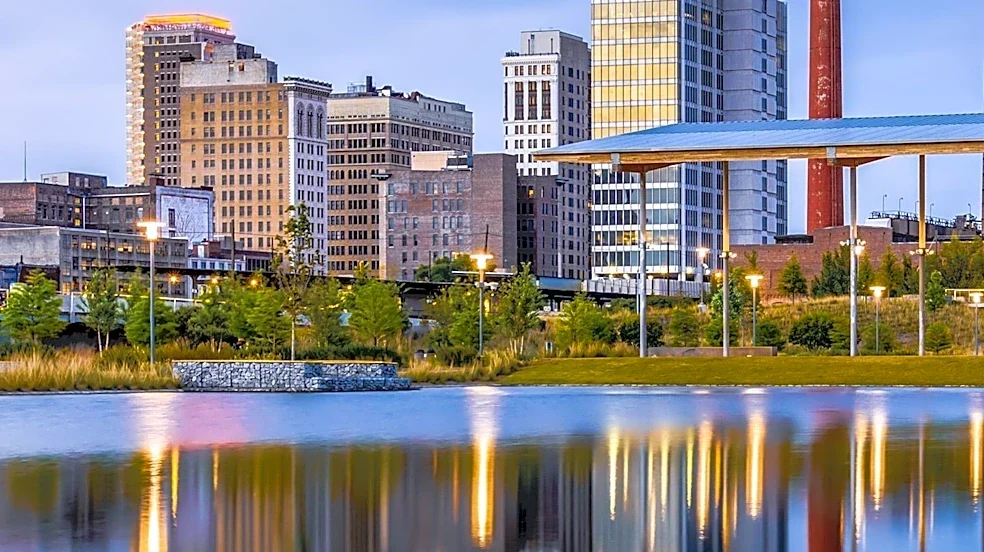
The cities of Birmingham and Trussville, in collaboration with Norfolk Southern Railroad, have selected Kimley-Horn, a national engineering firm, to lead the design and environmental review phase of the R.E.D.E.S.I.G.N. Alabama project. This initiative
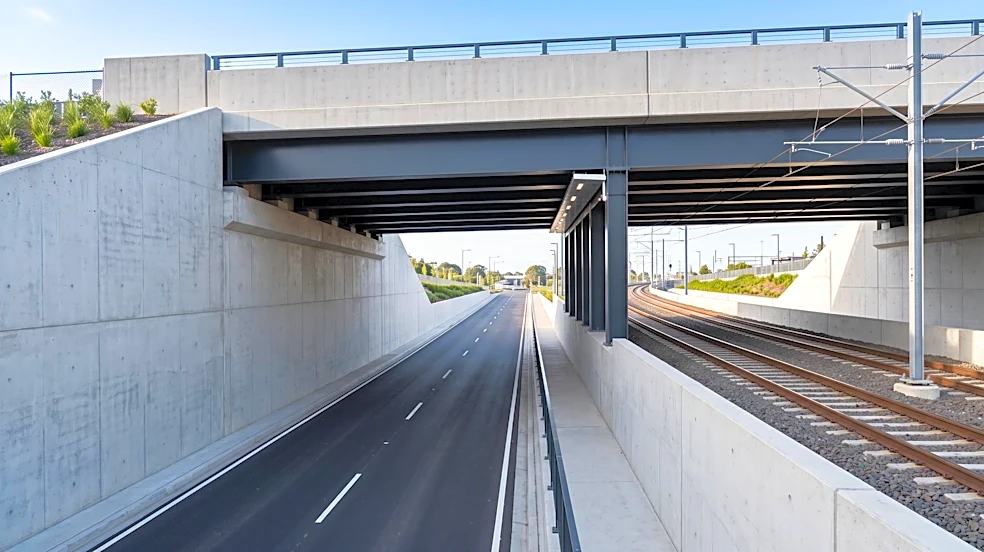
aims to improve safety and quality of life by addressing long-standing issues caused by freight rail traffic intersecting with vehicular traffic at several at-grade crossings between Woodlawn and Trussville. The project, supported by an $8 million Consolidated Rail Infrastructure and Safety Improvements (CRISI) grant from the U.S. Department of Transportation and significant funding from Norfolk Southern, will involve closing nine rail crossings, building underpasses, extending roads, and expanding railroad siding tracks. This marks a crucial step in a multi-decade effort to enhance regional infrastructure and economic growth.
Why It's Important?
This project is critical for improving public safety and emergency response times in Birmingham and Trussville, as blocked railroad crossings have historically caused significant delays and frustrations. By creating grade-separated crossings and extending siding tracks, the initiative will reduce traffic congestion, enhance accessibility for residents, and eliminate the need for train horns in residential areas, thereby improving quality of life. Economically, strengthening the region's rail infrastructure reinforces its role as a vital freight hub, supporting supply chain connectivity and economic growth. The collaboration between municipal governments, a major railroad company, and federal funding demonstrates a comprehensive approach to addressing complex infrastructure challenges that benefit both local communities and regional commerce.
What's Next?
The design and National Environmental Policy Act (NEPA) work for the R.E.D.E.S.I.G.N. Alabama project are anticipated to take approximately two years. Following the completion of this initial phase, the City of Birmingham and its partners will actively pursue additional federal and other funding opportunities to move the project into the construction phase. This multi-year timeline indicates a sustained commitment to transforming the rail and road infrastructure in the affected areas. Stakeholders, including residents, businesses, and emergency services, will likely monitor the progress closely, anticipating the long-term benefits of reduced delays, improved safety, and a quieter environment.
Beyond the Headlines
Beyond the immediate benefits of improved traffic flow and safety, this project represents a significant investment in regional resilience and future growth. The elimination of at-grade crossings and the expansion of rail capacity will not only alleviate current bottlenecks but also prepare the region for increased freight volumes and population growth. This type of infrastructure upgrade can spur economic development by making the area more attractive for businesses and residents. Furthermore, the project highlights the importance of integrated urban planning that considers both transportation efficiency and community well-being, setting a precedent for how cities can collaborate with private industry and federal agencies to tackle complex, long-standing infrastructure issues for generational impact.