




What's Happening?
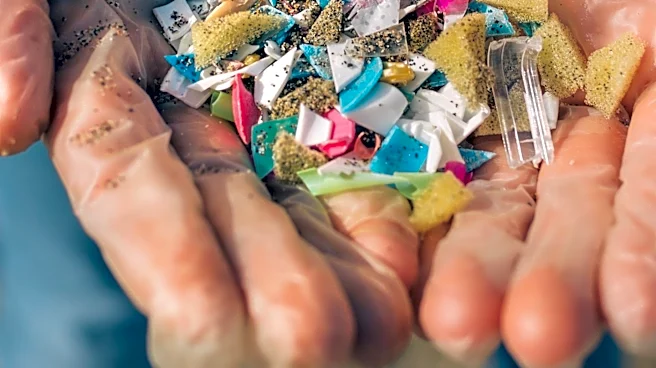
A new report from the United Nations Environment Program and the World Health Organization indicates that endocrine-disrupting chemicals (EDCs), found in numerous everyday items including plastics, personal care products, and electronics, pose a growing
threat to human health and the environment. Scientists now have a better understanding of the harm caused by these chemicals. The report estimates that health-related costs from EDC exposure exceed US$1.1 trillion annually worldwide. It calls for urgent, coordinated international action to protect human health and the environment, noting that current policies and regulations are fragmented and insufficient. Negotiations for a global treaty to end plastic pollution are set to resume early next year, with some countries advocating for the regulation of chemicals used in plastics as part of the treaty. The plastics industry, however, argues that existing international conventions and national laws, such as the Toxic Substances Control Act in the US, are sufficient for regulating plastic additives.
Why It's Important?
The widespread presence of EDCs in products used daily in the U.S. and globally has significant implications for public health and economic stability. The estimated annual health-related costs of over US$1.1 trillion highlight a substantial burden on healthcare systems and productivity. For U.S. consumers, this report underscores potential health risks from common products, prompting calls for stricter regulations and safer alternatives. The debate over regulating chemicals in plastics within the global plastics treaty negotiations directly impacts the U.S. chemical and plastics industries. These industries, represented by groups like the American Chemistry Council, advocate for existing regulatory frameworks, fearing that new restrictions could disrupt manufacturing processes and increase costs. Conversely, environmental and public health advocates stand to gain from stronger regulations, which could lead to a reduction in exposure to harmful chemicals and improved public health outcomes.
What's Next?
Negotiations for a global treaty to end plastic pollution are scheduled to resume early next year. A key point of contention will be whether the treaty includes provisions to regulate chemicals used in plastics. Countries pushing for stricter controls, empowered by this UN report, will likely advocate for comprehensive measures. The plastics industry and its allies are expected to continue opposing new restrictions, emphasizing the effectiveness of current national and international regulations. Policymakers in the U.S. and other nations will face pressure to consider the report's findings and potentially revise existing chemical management policies. The report also identifies key areas for action, including protecting vulnerable populations, improving monitoring, advancing testing, accounting for exposure costs, and strengthening regulations. The outcome of these negotiations and subsequent policy changes will determine the future landscape of chemical regulation and plastic production.
Beyond the Headlines
The report's emphasis on the 'toxic tidal wave' of increasing plastic and chemical production points to a deeper systemic challenge beyond immediate health concerns. The 'whack-a-mole problem' of substituting one harmful chemical with another, structurally similar but insufficiently tested, highlights a fundamental flaw in current regulatory approaches. This suggests a need for a paradigm shift from reactive chemical management to a proactive, preventative approach. The ethical dimension of exposing vulnerable populations, particularly during pregnancy and childhood, to these chemicals raises questions about corporate responsibility and governmental oversight. Furthermore, the report's conservative estimate of US$1.1 trillion in health-related costs does not account for broader environmental impacts like contaminated drinking water or loss of biodiversity, indicating that the true cost of inaction is likely far greater. This situation could trigger long-term shifts in consumer demand for 'cleaner' products and push for more sustainable manufacturing practices across various industries.