







What's Happening?
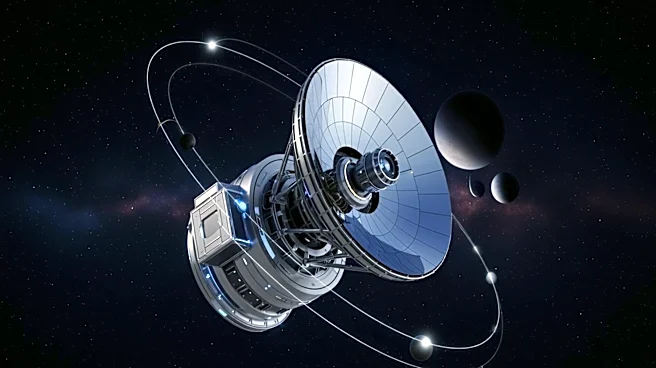
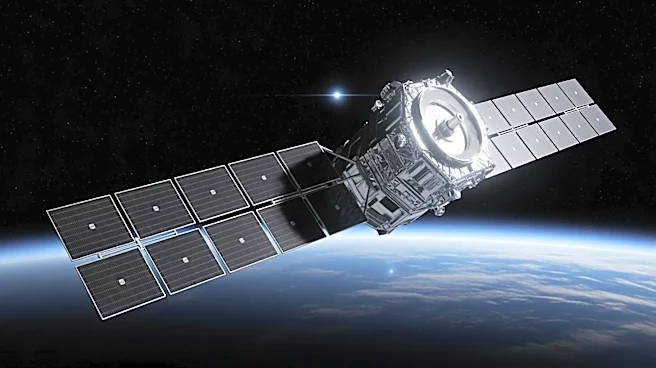
NASA's Nancy Grace Roman Space Telescope is preparing to embark on a mission to discover approximately 100,000 exoplanets, significantly expanding our understanding of planetary systems. The mission will focus on underexplored regions of the Milky Way,
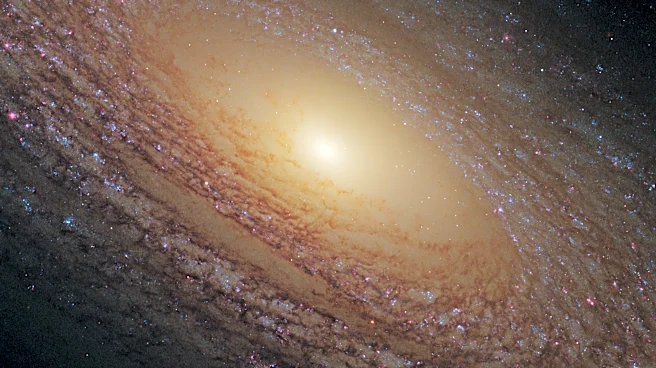
particularly the galactic bulge, where stars are densely packed. The telescope will use both transit and microlensing methods to detect a wide variety of planets, including those in large orbits and potentially habitable zones. This mission aims to provide a comprehensive view of planet formation across different galactic environments.
Why It's Important?
The Roman Telescope's mission is set to transform our understanding of exoplanet diversity and distribution. By exploring regions of the galaxy that have been less studied, the mission will offer insights into how planetary systems form and evolve in different environments. This could lead to discoveries about the prevalence of Earth-like planets and the conditions necessary for life. The data collected will also help refine models of planetary system dynamics and inform future missions aimed at finding habitable worlds.
What's Next?
The Roman Telescope is scheduled for launch by May 2027, with preparations underway to ensure the mission's success. Scientists are developing software and simulations to analyze the vast amount of data expected from the mission. Once operational, the telescope will conduct extensive surveys of the galactic bulge, providing a wealth of information for astronomers to study. The mission's findings will be publicly available, allowing for widespread collaboration and further research into the nature of exoplanets.