







What's Happening?
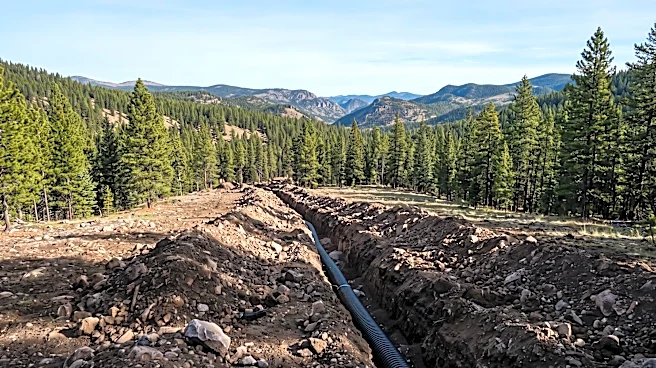
The National Rural Electric Cooperative Association (NRECA), in collaboration with Poudre Valley REA and other cooperative partners, is actively engaged in a project to underground vulnerable power lines in northern Colorado, specifically in communities
like Pinewood Springs. This initiative aims to mitigate wildfire risks and bolster the long-term reliability of the electrical grid in mountainous regions. The project receives crucial support from the U.S. Department of Energy (DOE)'s Grid Resilience and Innovation Partnerships program. This collaborative effort highlights how federal partnerships combined with innovative approaches from electric cooperatives can contribute to protecting communities and ensuring the delivery of safe, affordable, and reliable power for future generations.
Why It's Important?
This project is significant for several reasons, primarily addressing critical infrastructure vulnerabilities in the U.S. The undergrounding of power lines directly tackles the escalating threat of wildfires, which have caused extensive damage and power outages across the Western U.S. in recent years. By reducing the exposure of power lines to environmental factors, the initiative enhances grid resilience, leading to fewer outages and more stable power delivery for residents and businesses. This improved reliability is vital for economic stability and public safety, especially in remote or high-risk areas. Furthermore, the collaboration between federal agencies and local electric cooperatives demonstrates a model for addressing national infrastructure challenges through shared resources and expertise, potentially influencing similar projects in other vulnerable regions.
What's Next?
The ongoing efforts to underground power lines in Pinewood Springs, CO, are expected to continue, with a focus on completing the current phase of the project and assessing its impact on grid resilience and wildfire mitigation. Success in this endeavor could serve as a blueprint for other communities facing similar challenges, potentially leading to expanded federal funding and cooperative partnerships for grid modernization across the U.S. Stakeholders, including local residents, utility providers, and environmental groups, will likely monitor the project's effectiveness in reducing wildfire incidents and improving power reliability. Future steps may involve evaluating the cost-effectiveness of undergrounding versus other resilience strategies and advocating for policies that support long-term infrastructure investments.
Beyond the Headlines
Beyond the immediate benefits of enhanced grid reliability and reduced wildfire risk, this project touches upon broader implications for energy infrastructure and community development in the U.S. The shift towards undergrounding power lines reflects a growing recognition of the need for proactive measures against climate change impacts and extreme weather events. This approach not only protects physical infrastructure but also contributes to the psychological well-being of communities by reducing anxiety related to power outages and natural disasters. Ethically, it underscores the responsibility of utility providers and government bodies to invest in resilient infrastructure that safeguards lives and livelihoods. Culturally, it may foster a greater appreciation for sustainable energy practices and community-led initiatives in addressing environmental challenges, potentially influencing public perception and support for similar projects nationwide.