



What's Happening?
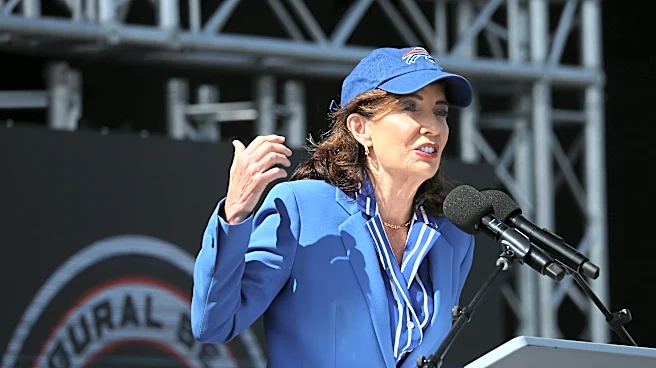
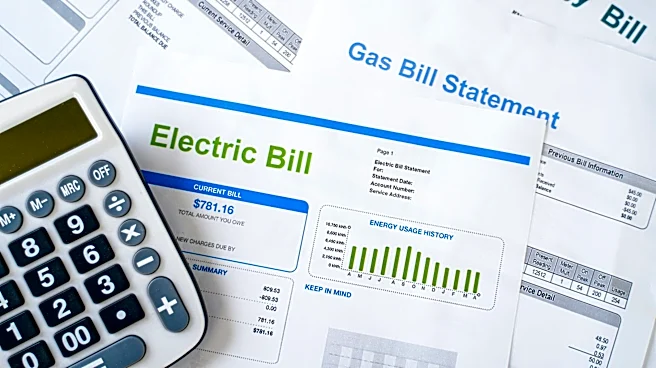
Governor Hochul has initiated a statewide enrollment drive to enable an additional 2.5 million New York households to receive monthly discounts on their utility bills through the State’s Energy Affordability Program (EAP). This expansion significantly
broadens eligibility for the program, which already serves 1 million households. Depending on household income, the EAP can help New Yorkers save hundreds of dollars annually, aiming to keep typical utility bills below six percent of household income. The Governor's Ratepayer Protection Plan also includes the establishment of a RATES Commission to investigate the root causes of surging utility bills, evaluate utility profits, and review energy market designs, ensuring energy affordability for residents.
Why It's Important?
This expansion of utility bill discounts is crucial for New York households facing increasing energy costs. By making 2.5 million more households eligible, the state is directly addressing financial strain on a broad segment of its population. The EAP's goal of limiting utility bills to less than six percent of household income provides significant relief, particularly for low and middle-income families. The establishment of the RATES Commission signals a proactive approach to long-term energy affordability, aiming to identify systemic issues in utility pricing and market structures. This initiative underscores the state's commitment to protecting consumers from volatile energy prices and ensuring essential services remain accessible.
What's Next?
Governor Hochul has directed the Department of Public Service to launch a new enrollment push for the EAP. This drive will involve targeted digital advertising, direct mail, email, and text campaigns to inform more New Yorkers about their eligibility and enrollment procedures. State agencies will cross-reference customers enrolling in other programs for EAP eligibility, partner with community organizations for in-person enrollment events, and utilities will directly inform customers. Additionally, state agencies with public-facing offices will promote the program on their digital boards. The newly established RATES Commission will begin its work to investigate utility costs and market designs, with its findings expected to inform future policy decisions aimed at combating rising utility bills.
Beyond the Headlines
The expansion of utility bill discounts and the creation of the RATES Commission in New York reflect a growing recognition of energy affordability as a critical public policy issue. Beyond immediate financial relief, these measures aim to foster greater transparency and accountability within the utility sector. By scrutinizing utility profits and market designs, the state is challenging the traditional dynamics of energy pricing, potentially leading to more consumer-centric regulatory frameworks. This initiative could also spur broader discussions about the role of government in ensuring access to essential services and mitigating the impact of economic pressures on vulnerable populations, setting a precedent for other states grappling with similar challenges.