



What's Happening?
The Library of Congress has announced the acquisition of two historically significant letters penned by former First Ladies Martha Washington and Mary Todd Lincoln. These documents offer unique insights into the personal lives of these prominent women.
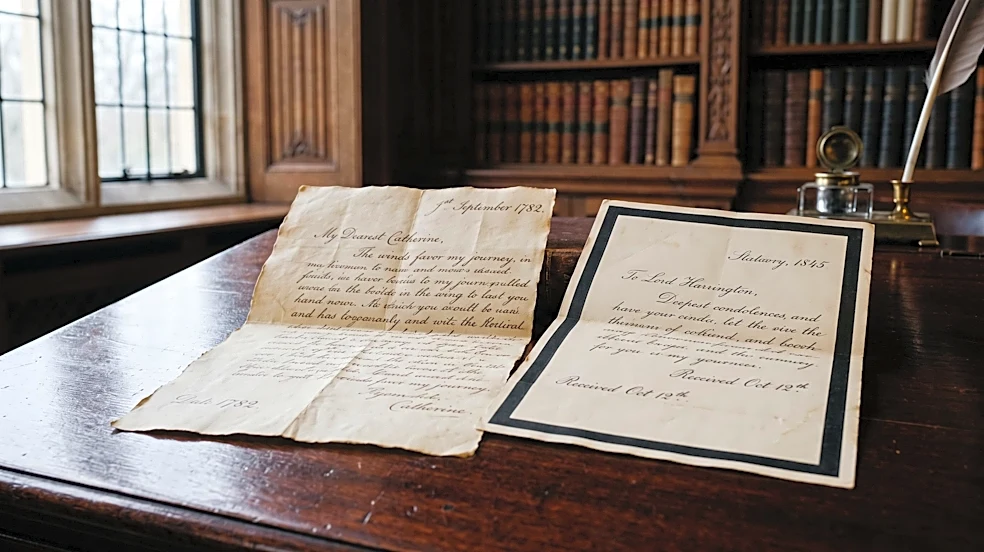
One letter, from Martha Washington, dated September 29, 1760, details her four-year-old daughter Patsy's recovery from illness. This letter is particularly rare as few of Martha Washington's personal writings survive, and it is one of the few in her own hand within the Library's extensive George Washington Papers. The other letter, from Mary Todd Lincoln, dated February 15, 1865, was written just two months before President Lincoln's assassination. In it, she discusses a 'beautiful wreath of hair,' believed to be the 'Hairy Eagle,' a framed figure made from hair contributed by notable politicians, intended to raise funds for Civil War soldiers. Her stationery also features a black mourning band, likely acknowledging the death of her son William three years prior. These acquisitions enrich the Library's already vast collection of American historical materials.
Why It's Important?
The acquisition of these letters is significant for several reasons. For historians and researchers, these documents provide primary source material that sheds light on the domestic lives, personal struggles, and social contexts of two pivotal figures in American history. Martha Washington's letter offers a rare glimpse into her life before George Washington became president, detailing the challenges of motherhood in the 18th century. Mary Todd Lincoln's letter provides a poignant snapshot of her life during the final months of the Civil War and just before her husband's assassination, revealing details about her personal grief and involvement in wartime efforts. These letters contribute to a more nuanced understanding of the roles and experiences of First Ladies, often overshadowed by their presidential husbands. They also enhance the Library of Congress's standing as a premier repository for American historical documents, making these invaluable resources accessible to scholars and the public.
What's Next?
Following their acquisition, these newly obtained letters will be integrated into the Library of Congress's extensive collections. The Mary Todd Lincoln letter will join the existing Mary Todd Lincoln Correspondence collection, which is already available online, making it accessible to a global audience of researchers and enthusiasts. The Martha Washington letter will be a crucial addition to the George Washington Papers, providing a rare personal perspective from the nation's first First Lady. The Library will likely undertake preservation efforts to ensure the longevity of these fragile historical documents. Future exhibitions or digital presentations may feature these letters, allowing the public to engage directly with these pieces of American history. These acquisitions also underscore the ongoing efforts of institutions like the Library of Congress to continually expand and diversify their holdings, ensuring that future generations have access to a comprehensive record of the nation's past.
Beyond the Headlines
Beyond their immediate historical value, these letters offer deeper insights into the societal expectations and personal resilience of women in leadership roles throughout American history. Martha Washington's letter, detailing her daughter's illness, highlights the universal concerns of motherhood, even for those in prominent positions, and the limited medical understanding of the era. Mary Todd Lincoln's letter, written amidst personal grief and national turmoil, underscores the emotional burdens carried by First Ladies and their often-unseen contributions to public life, such as her involvement in supporting Civil War soldiers. These documents serve as powerful reminders that historical figures were complex individuals with personal lives, challenges, and emotions that often paralleled those of ordinary citizens. They also emphasize the importance of preserving personal correspondence as a vital component of historical record, offering perspectives that official documents often omit, thereby enriching our collective understanding of the past.