



What's Happening?
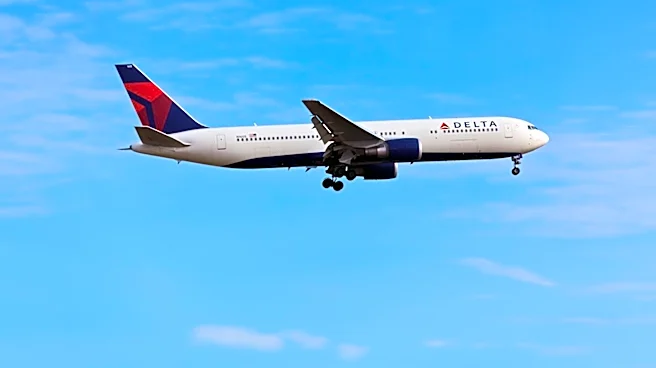
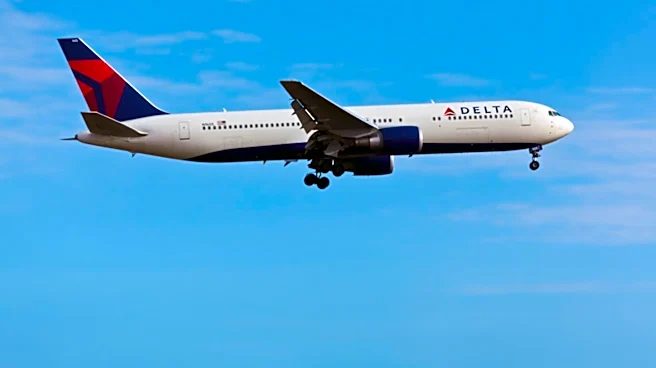
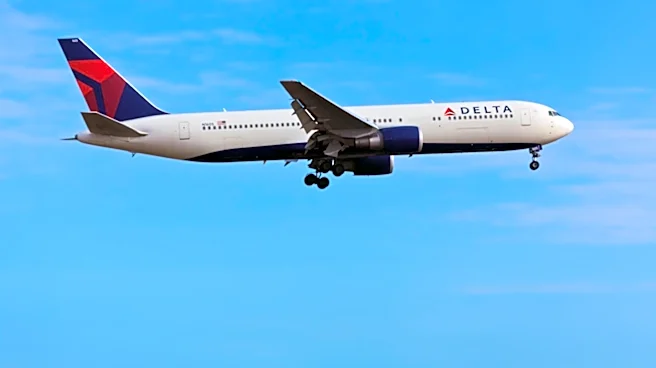
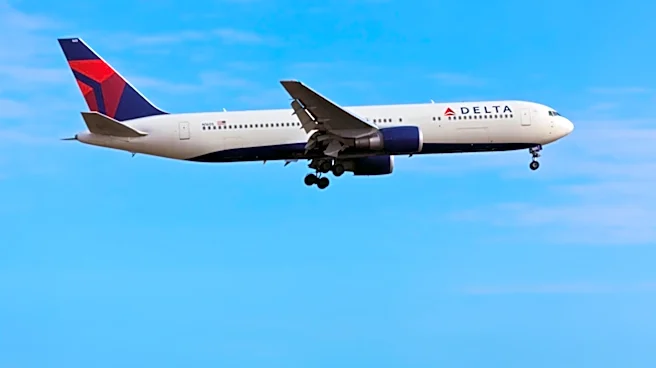
Delta Air Lines Flight 1264, traveling from Chicago O'Hare International Airport to Hartsfield-Jackson Atlanta International Airport, declared an emergency on October 31, 2026. The emergency was initiated after crew members detected a smoky odor onboard
the Boeing 737-900 aircraft. The flight was carrying 130 passengers and six crew members. Despite the emergency declaration, which was made to receive priority handling from air traffic control, the aircraft landed safely in Atlanta. According to Delta Air Lines, the plane taxied to its gate under its own power, and there were no reported injuries among those on board. The airline emphasized that the safety of its customers and crew is its top priority and that the crew followed established procedures to ensure a safe landing. The specific source of the smoky odor has not been identified by Delta.
Why It's Important?
This incident highlights the critical importance of established safety protocols and crew training in the aviation industry. While the flight landed without incident and no injuries were reported, any in-flight emergency, particularly one involving smoke or unusual odors, can cause significant concern among passengers and crew. The airline's swift declaration of an emergency allowed for priority air traffic control handling, which is crucial for managing potential risks and ensuring a smooth landing under challenging circumstances. Such events, even when resolved safely, can impact public perception of airline safety and may lead to further investigations into the cause of the odor. For Delta, maintaining a strong safety record is paramount for customer trust and operational integrity in a highly competitive industry.
What's Next?
Following the safe landing, it is expected that Delta Air Lines will conduct a thorough investigation to determine the exact cause and source of the smoky odor on Flight 1264. This investigation will likely involve detailed inspections of the Boeing 737-900 aircraft by maintenance teams and potentially by regulatory bodies. The airline will aim to identify any mechanical issues or other factors that contributed to the incident to prevent future occurrences. Depending on the findings, corrective actions could range from specific aircraft maintenance procedures to broader operational adjustments. Passengers on the flight may be contacted for further information, and the airline will likely provide updates on the investigation's progress as deemed necessary.
Beyond the Headlines
The incident, while resolved without harm, underscores the constant vigilance required in aviation safety. Even minor anomalies like an unexplained odor can trigger a full emergency response, demonstrating the industry's commitment to a zero-tolerance approach to potential hazards. This event also subtly reinforces the psychological impact of in-flight incidents on passengers, even when they conclude safely. For the broader aviation sector, such occurrences serve as reminders for continuous improvement in aircraft design, maintenance protocols, and emergency response training. The lack of identified source for the odor also points to the complexities of diagnosing issues in real-time within an aircraft's intricate systems, emphasizing the reliance on crew expertise and established safety procedures.