





What's Happening?
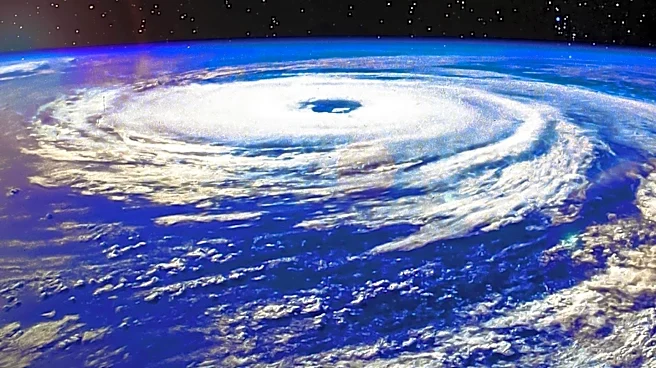
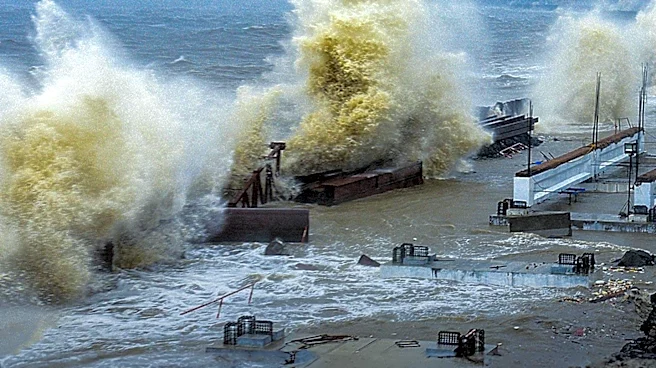
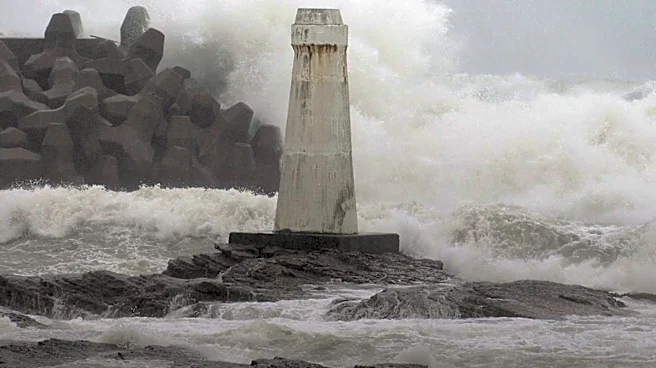
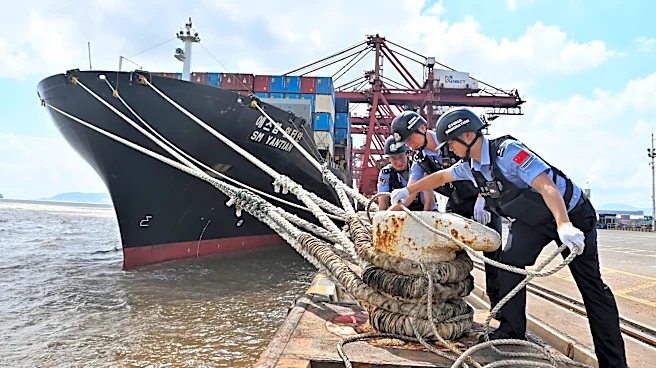
Typhoon Dolphin has made landfall on China's eastern coast, prompting the evacuation of over 300,000 people and the cancellation of more than 1,300 flights in Shanghai. The storm, which hit the city of Taizhou in Zhejiang province, brought strong winds
and heavy rains, raising concerns about severe flooding and landslides. Shanghai's Hongqiao and Pudong airports canceled a significant portion of their flights as a precaution. The typhoon also affected northern Taiwan, causing airlines to cancel flights to China. The storm's impact is being closely monitored as it continues to pose risks to the affected regions.
Why It's Important?
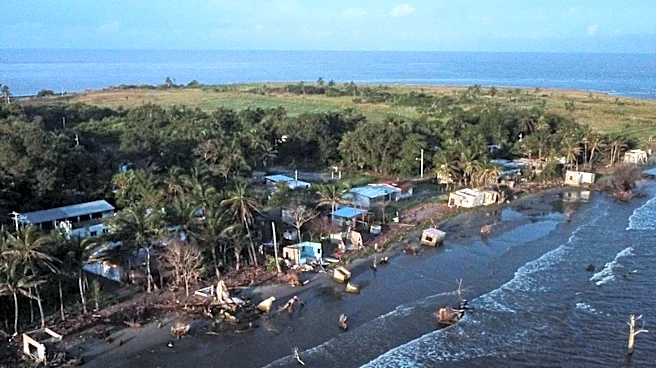
The arrival of Typhoon Dolphin underscores the vulnerability of coastal regions to severe weather events, which can disrupt transportation, displace large populations, and strain emergency services. The economic impact is significant, with flight cancellations affecting travel and commerce. The situation highlights the importance of disaster preparedness and the need for effective evacuation and response strategies to minimize harm to residents and infrastructure. The storm's effects on Taiwan and the Philippines also demonstrate the broader regional implications of such natural disasters.
What's Next?
Authorities in the affected areas will continue to monitor the storm's progression and manage evacuation efforts. The focus will be on ensuring the safety of residents and minimizing damage to infrastructure. In the aftermath, there may be assessments of the response effectiveness and potential improvements in disaster management strategies. The international community may also offer support and assistance to the affected regions.