




What's Happening?
Central America is actively working to enhance the resilience of its electricity infrastructure through specialized technical support. This initiative involves expert teams providing assistance for construction, expansion, maintenance, functional testing,
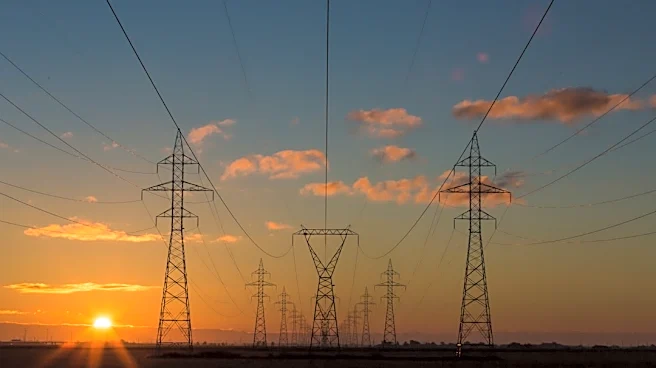
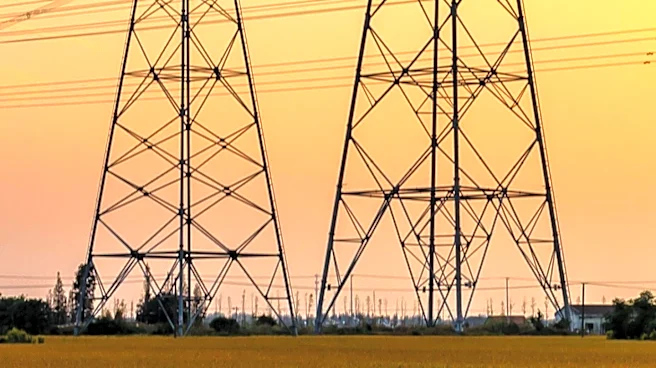
and commissioning activities at electricity transmission facilities. The focus is on high-voltage substations and transmission lines, including operations on energized assets, which are critical for maintaining a continuous power supply. The project emphasizes quality management of electromechanical works, technical inspection of electrical installations, and adherence to strict technical and regulatory standards. Applus+ is a key provider of these services, ensuring operational safety and grid stability. This effort is crucial given the high-risk nature of working with energized facilities, where any deviation can compromise service continuity and personnel safety.
Why It's Important?
The strengthening of Central America's electricity infrastructure is vital for regional stability and economic development. Reliable power grids are fundamental for industrial growth, public services, and overall quality of life. By investing in specialized technical support and rigorous quality control, the region aims to mitigate risks such as unplanned outages, failures during energization, and occupational accidents. These improvements will lead to more reliable and resilient electricity networks, capable of supporting system expansion and integrating new infrastructure, including renewable generation sources. This initiative also addresses the increasing demand for electricity driven by industrial electrification and the adoption of electric bus programs in neighboring countries like Chile, Colombia, and Peru, ensuring that the energy supply can meet future needs and support sustainable development.
What's Next?
The ongoing efforts will continue to focus on the technical supervision of works at transmission substations and specialized support for energized facilities. Verification of compliance with electrical safety procedures, inspection of electromechanical installations, and schedule monitoring will remain key activities. Technical coordination for functional testing and commissioning, along with operational risk assessment and the definition of preventive measures, will be crucial for successful implementation. The preparation of technical reports and specialized recommendations will guide future improvements and ensure continuous enhancement of the electricity grid. These sustained efforts are expected to lead to a more robust and efficient energy infrastructure across Central America, capable of handling increased demand and integrating diverse energy sources.
Beyond the Headlines
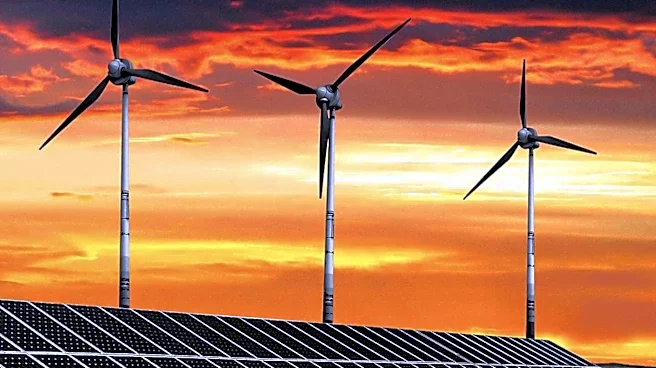
Beyond the immediate technical improvements, this initiative has broader implications for regional energy security and environmental sustainability. A more resilient grid can better withstand natural disasters and other disruptions, which is particularly important in a region prone to extreme weather events. The ability to integrate more renewable energy sources, such as solar and wind, will reduce reliance on fossil fuels, contributing to climate change mitigation goals. Furthermore, a stable and expanded energy infrastructure can attract foreign investment and foster economic growth by providing reliable power to industries and communities. This strategic investment in energy infrastructure lays the groundwork for long-term sustainable development and regional cooperation in the energy sector.