





What's Happening?
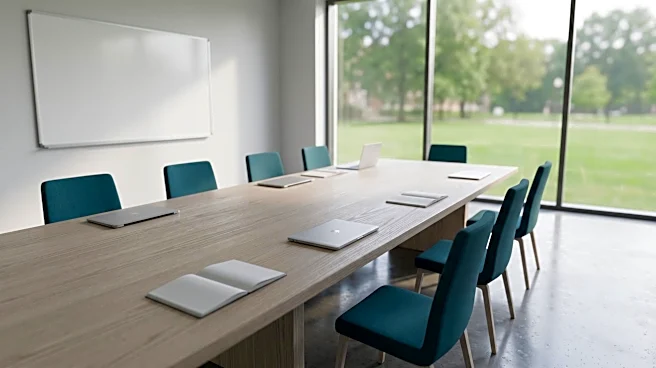
The McDermott Library at the University of Texas at Dallas provides a variety of study rooms on its second and third floors, catering to both quiet study and collaborative work. These rooms are exclusively available for reservation by currently enrolled
students. Policies dictate that rooms can be reserved for individual or group study during regular library hours, with reservations limited to a maximum of four hours and one active booking at a time. Students can book rooms up to seven days in advance. Study room keys are available for checkout at the Services Desk, requiring a physical Comet Card. The library enforces a smoke-free and vape-free environment, and furniture is not to be moved in or out of the study rooms. Occupancy limits for each room must be respected, and failure to adhere to these policies may result in the loss of study room privileges. The second-floor study rooms close 30 minutes before the building, while third-floor rooms have specific closing times, generally later on weekdays.
Why It's Important?
The provision of dedicated quiet study rooms at the University of Texas at Dallas is crucial for fostering an effective academic environment. These spaces address the diverse needs of students, offering quiet zones for focused individual work and collaborative settings for group projects. In a university setting, access to such resources can significantly impact academic performance and student well-being. The ability to reserve rooms in advance and for extended periods allows students to plan their study sessions efficiently, reducing stress and improving productivity. Furthermore, the clear policies regarding usage and conduct ensure that these shared resources remain conducive to learning for all users. The availability of these rooms underscores the library's role as a central hub for academic support, directly contributing to the educational success of the student body by providing essential infrastructure for learning and research.
What's Next?
The University of Texas at Dallas will continue to manage and maintain its study room facilities, ensuring they meet the evolving needs of its student population. Future considerations may include evaluating reservation patterns and student feedback to optimize room availability and policies. There could be potential updates to the reservation system or the physical spaces themselves to enhance the user experience, such as incorporating new technology or adjusting operating hours based on demand. The library will also likely continue to monitor compliance with its policies to ensure fair access and a productive environment for all students. Any changes to library hours or policies, especially during intersessions or holidays, will be communicated to students through official university channels, including email notifications.
Beyond the Headlines
The concept of quiet study rooms extends beyond mere physical space; it reflects a broader understanding of the psychological and cognitive needs of learners. In an increasingly noisy and distracting world, dedicated quiet zones are vital for deep work, critical thinking, and sustained concentration. For university students, these rooms can serve as sanctuaries from the constant stimulation of campus life, allowing for mental rejuvenation and enhanced learning. The emphasis on both individual and group study spaces also highlights the dual nature of modern education, which values both independent scholarship and collaborative problem-solving. The policies governing these rooms, such as reservation limits and conduct rules, subtly teach students about resource management, respect for shared spaces, and community responsibility, skills that are valuable far beyond their academic careers.