








What's Happening?
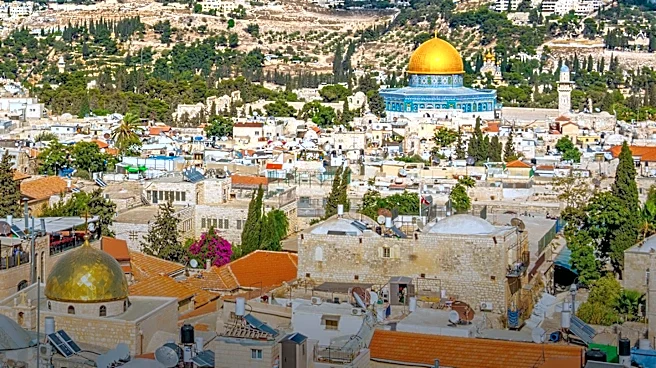
A study by the Jerusalem Center for Applied Policy has revealed that Turkey's consulate in Jerusalem operates from a property owned by the Syriac church, a community that suffered during the Ottoman-era massacres. This discovery comes shortly after Israel's
recognition of the Armenian genocide, highlighting a moral contradiction. The Syriac church, which has historical ties to the victims of these massacres, owns the property where the Turkish consulate is located. This situation raises ethical questions about the presence of a Turkish diplomatic mission on such a site, given the historical context.
Why It's Important?
The revelation underscores the complex historical and political dynamics in Jerusalem, particularly concerning the legacy of the Ottoman Empire and its impact on minority communities. The presence of the Turkish consulate on Syriac church property could strain diplomatic relations between Israel and Turkey, especially following Israel's recognition of the Armenian genocide. This situation also highlights the broader issue of how historical grievances continue to influence contemporary diplomatic and cultural interactions in the region.
What's Next?
The findings may prompt discussions between Israel and Turkey regarding the status of the consulate and its location. There could be calls for Turkey to address the historical grievances of the Syriac community and reconsider its diplomatic presence in Jerusalem. Additionally, the situation might lead to increased advocacy from the Syriac and Armenian communities for greater recognition and reparations for past atrocities. The Israeli government may also face pressure to reassess its diplomatic strategies in light of these revelations.