








What's Happening?
The Minnesota Department of Agriculture (MDA) is providing a free nitrate testing clinic for private well users during Farmfest, scheduled from August 4-6 at the Historic Gilfillan Estate near Redwood Falls. This initiative aims to help residents understand
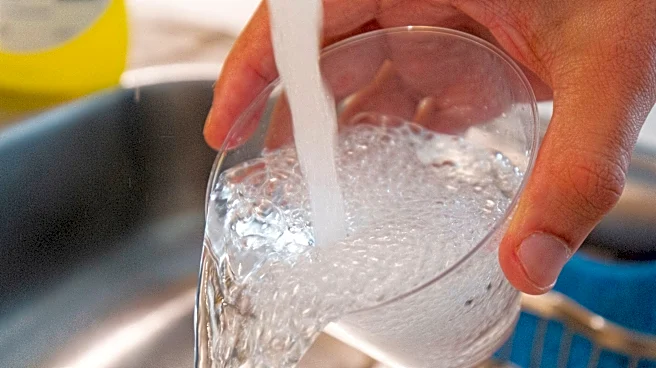
the nitrate levels in their drinking water, which can pose significant health risks. Nitrate levels above 1 mg/L are considered elevated, and those exceeding 10 mg/L are particularly harmful, especially for infants and pregnant women. Recent studies indicate that even lower levels of nitrate exposure over time may increase the risk of health issues such as prematurity, birth defects, thyroid problems, and colorectal cancer. The testing process is straightforward: attendees are instructed to run cold tap water for 5-10 minutes, collect a cup of water in a clean, sealable container, and keep it chilled before visiting the MDA booth. The test takes less than five minutes, and results are provided directly to participants without collecting personal information.
Why It's Important?
This initiative is crucial for public health, particularly in rural areas where private wells are common. Elevated nitrate levels in drinking water can lead to serious health issues, making it essential for residents to be aware of their water quality. By offering free testing, the MDA is enabling individuals to take proactive steps in safeguarding their health. This program also highlights the importance of regular water quality monitoring, as nitrate levels can fluctuate over time. Additionally, the event provides an opportunity for the MDA to educate the public about other agricultural programs and resources, such as the Rural Finance Authority loan programs and the Minnesota Agricultural Water Quality Certification Program, further supporting the agricultural community and promoting sustainable practices.
What's Next?
Following the Farmfest event, it is anticipated that the MDA will continue to promote awareness and education regarding water quality and nitrate levels. The success of this initiative could lead to similar programs being implemented in other regions, particularly those with high reliance on private wells. Stakeholders, including local governments and health organizations, may collaborate to expand testing services and resources to ensure broader access and awareness. Additionally, the data collected from these tests could inform future policy decisions and resource allocation to address water quality issues more effectively.