



What's Happening?
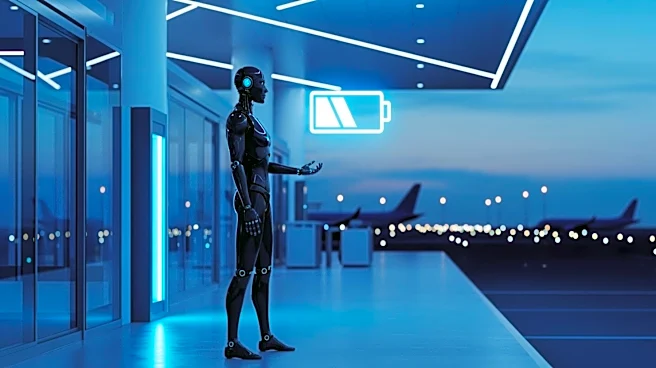
A Southwest Airlines flight from Oakland to San Diego experienced an unusual delay due to a humanoid robot named Bebop. Owned by Elite Event Robotics, Bebop is a child-sized robot designed for entertainment purposes, capable of dancing and serving drinks.
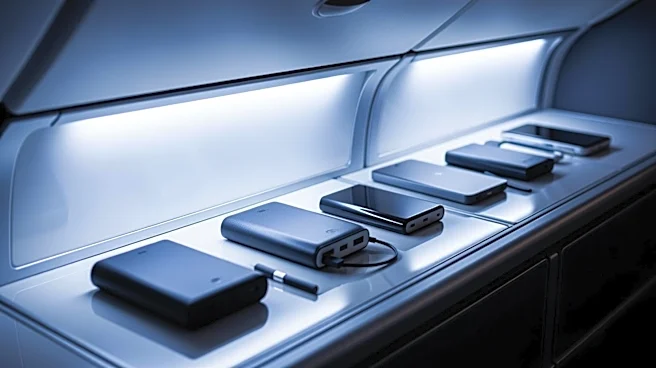
After participating in an event in the Bay Area, Bebop was set to travel to Southern California. However, the robot's carrying case was too heavy to check in, prompting an employee to purchase a separate airline seat for it. Once onboard, the crew faced confusion over whether Bebop was a passenger or luggage. The situation escalated when it was discovered that Bebop's lithium battery exceeded the allowable size for air travel, leading to a regulatory issue. The battery had to be removed before the flight could proceed, resulting in a delay. Despite the inconvenience, passengers were entertained by the robot's antics, and the flight eventually landed in San Diego about an hour late.
Why It's Important?
This incident highlights the growing intersection of technology and everyday life, particularly in the travel industry. As robots and other advanced technologies become more integrated into various sectors, regulatory frameworks and operational protocols must adapt to accommodate these changes. The delay caused by Bebop underscores the need for clear guidelines on transporting advanced tech devices, especially those with potentially hazardous components like lithium batteries. This event also reflects the broader challenges airlines face in balancing safety regulations with the increasing presence of technology in passenger travel. The situation serves as a reminder of the complexities involved in integrating new technologies into existing systems and the potential for unexpected disruptions.
What's Next?
Airlines and regulatory bodies may need to revisit and update their policies regarding the transportation of advanced technological devices, particularly those with large batteries. This could involve developing specific guidelines for handling robots and similar devices to prevent future delays and ensure passenger safety. Additionally, companies like Elite Event Robotics might need to consider alternative methods for transporting their products, such as using ground transportation for short distances or ensuring compliance with airline regulations before travel. As technology continues to evolve, ongoing dialogue between tech companies, airlines, and regulatory agencies will be crucial in addressing these challenges.