



What's Happening?
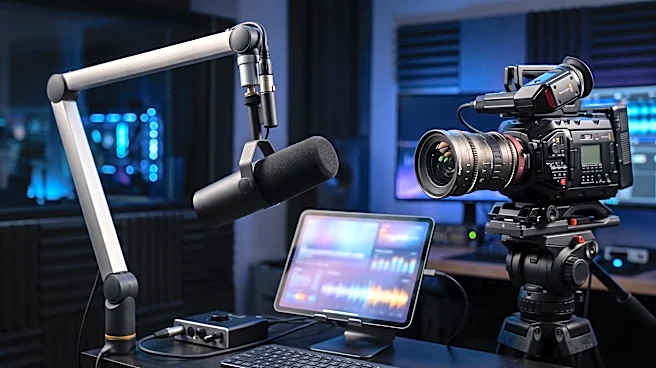
Independent journalists and content creators are significantly expanding their coverage of the midterm elections, offering alternatives to traditional TV news outlets. This trend sees figures like Scott MacFarlane, formerly of CBS News, hosting livestreamed
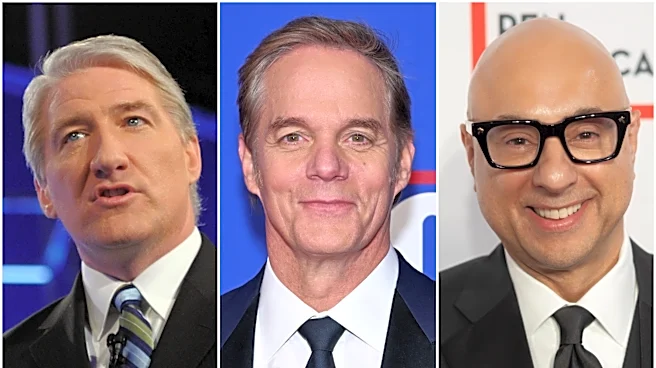
coverage for progressive outlets such as MeidasTouch, and former CNN anchor Don Lemon hosting a show with guests like Joy Reid and Hunter Biden in a New York City bar. Other prominent figures, including Chuck Todd, Chris Cillizza, Piers Morgan, Jim Acosta, and Katie Couric, are also launching their own live streams and programs. Even C-SPAN is simulcasting coverage from outlets like The Young Turks and conservative commentator Patrick Bet-David. These creators aim to provide unscripted, direct, and less corporately controlled analysis, often leveraging platforms like YouTube, X, and Substack. Many see this as an opportunity to generate subscriptions, advertising, and revenue, capitalizing on a growing audience that increasingly relies on social media for news, as indicated by a Pew Research Center survey showing 58% of U.S. adults use social media for news.
Why It's Important?
This shift in midterm election coverage signifies a significant evolution in the media landscape, challenging the long-standing dominance of traditional news networks. The rise of independent creators and digital-first platforms offers viewers diverse perspectives and potentially more direct, unfiltered analysis, free from the editorial constraints often found in corporate media. This trend could democratize political discourse, allowing a wider range of voices to contribute to election night narratives. For the media industry, it represents a new economic model, where individual journalists and smaller outlets can attract audiences and revenue through subscriptions and advertising. However, it also raises questions about journalistic standards, fact-checking, and the potential for echo chambers, as viewers may gravitate towards sources that align with their existing viewpoints. The increased reliance on social media for news also highlights the need for media literacy among the public.
What's Next?
The success of these independent and creator-led election coverages in the midterms is likely to serve as a precursor for future major election cycles, including the 2028 presidential election. If these platforms prove effective in attracting large audiences and generating revenue, more journalists and media personalities may transition to independent models. Traditional media outlets are also adapting, with entities like Fox Nation and NBC News launching vertical-video programs and streaming specials to cater to changing consumption habits. This competitive environment will likely lead to further innovation in news delivery, with a continued emphasis on digital-first content and direct engagement with audiences. The long-term implications could include a more fragmented media landscape, where audiences curate their news consumption from a wider array of sources, potentially impacting the influence and reach of legacy media institutions.