


What's Happening?
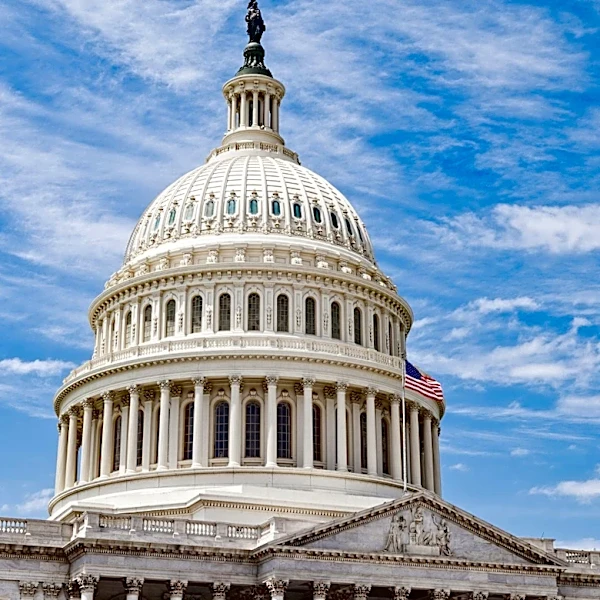
U.S. Senators Chuck Grassley (R-Iowa), Roger Marshall (R-Kan.), and John Barrasso (R-Wyo.) have sent a letter to the U.S. Department of Agriculture (USDA) and the U.S. Department of the Interior, urging them to expand grazing access for livestock producers
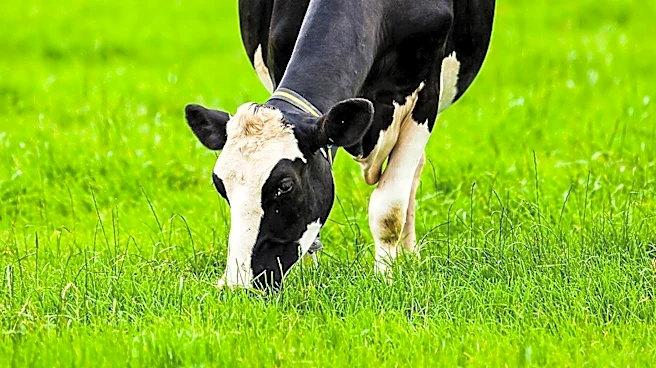
and enhance risk management tools. This call comes as America’s cattle herd has reached its lowest level in approximately 75 years. The senators emphasize the importance of prioritizing American beef production, advocating for the finalization of the Bureau of Land Management’s grazing rule and a reevaluation of federal programs that restrict grazing capacity. They also pressed for improvements in meat processing capacity. This initiative aims to support the U.S. beef industry, which accounts for nearly a quarter of U.S. agriculture receipts, by addressing current challenges faced by ranchers.
Why It's Important?
The senators' actions are crucial for the U.S. cattle industry, which is currently facing significant headwinds, including a historic low in cattle numbers and market volatility. Expanding grazing access on public and private lands could alleviate some of the pressures on ranchers, particularly those affected by drought conditions that strain feed supplies. Strengthening risk management tools and improving protein processing capacity are vital for stabilizing the market and ensuring the long-term viability of domestic beef production. This support is intended to protect American ranchers from increased competition, such as that posed by tariff-free beef imports, and to ensure that American beef remains a competitive and affordable option for consumers. The stability of the beef industry has broad implications for rural economies and the overall agricultural sector in the U.S.
What's Next?
The USDA and the Interior Department are expected to review the senators' recommendations regarding expanded grazing access and the finalization of the Bureau of Land Management’s grazing rule. The senators also plan to build on their efforts through the 2026 Farm Bill and other upcoming legislation to further support ranchers and ensure the affordability and nutritional value of beef for American families. This includes potential regulatory and statutory reforms aimed at rebuilding the national cattle herd. Additionally, there will be continued pressure on the agencies to strengthen livestock risk management tools and improve meat processing capacity, which could lead to new policies or adjustments to existing programs designed to benefit cattle producers.
Beyond the Headlines
The push for expanded grazing access and improved risk management tools highlights a broader tension between environmental conservation and agricultural production on public lands. While expanding grazing could support ranchers, it also raises questions about the ecological impact on federal lands and the sustainability of such practices. The debate also touches on the balance between consumer affordability and the economic well-being of domestic producers, especially in the context of global trade policies like tariff-free imports. This situation underscores the complex interplay of economic, environmental, and political factors influencing the U.S. agricultural sector and the ongoing efforts to reconcile these competing interests to ensure a stable food supply and a thriving rural economy.