

What's Happening?
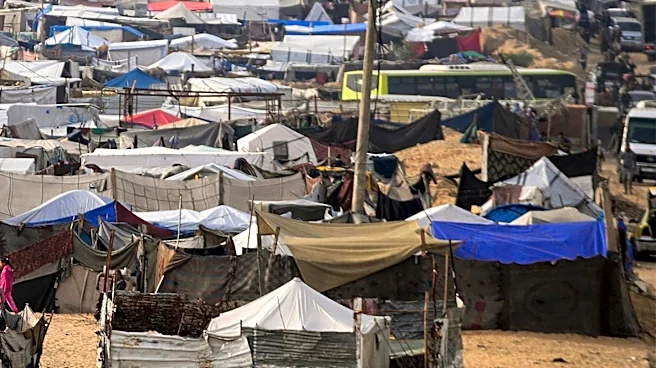
Due to severe overcrowding and displacement, many Gazans are now living in the Sheikh Radwan Cemetery, west of Gaza City, with some even giving birth among the graves. Basma Hammouda, 29, who is in her final month of pregnancy, and her husband arrived
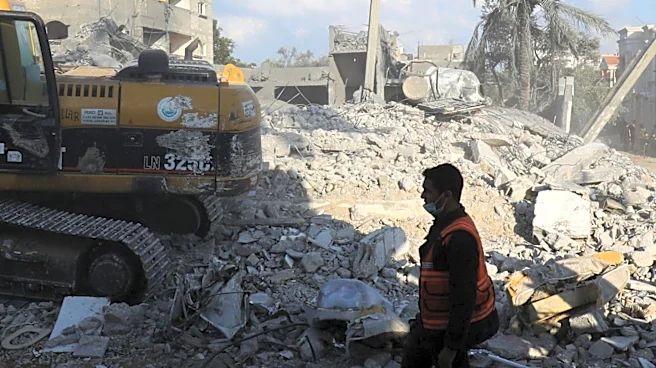
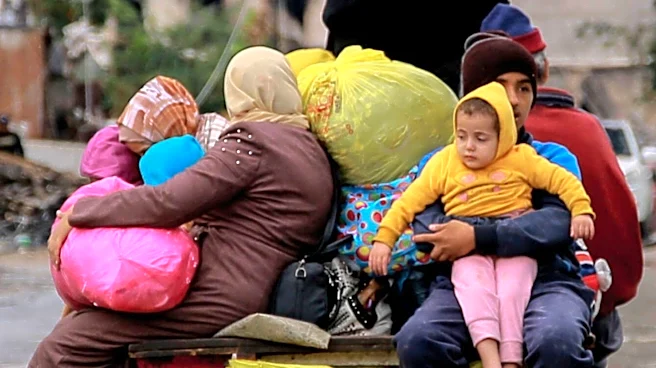
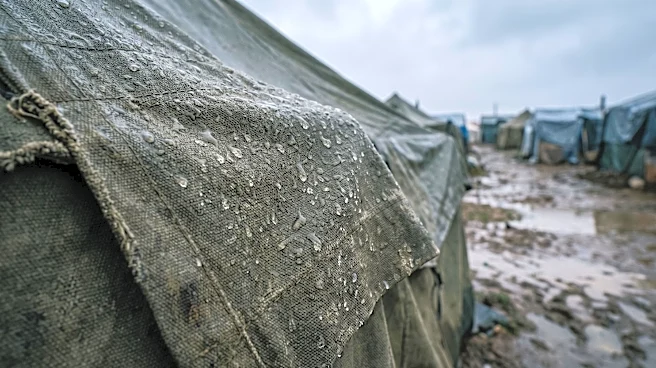
at the cemetery in October 2025, finding it a 'mountain of rubble' which her husband had to clear to pitch their tent. They, like many others, had 'no other choice' as there is no space left in Gaza. Rasha Swerki, 41, lives with her two sisters in a tent on the cemetery's edge, cooking and doing laundry among the gravestones. Khader Abo Khader, 62, and his wife, Kamila, 59, whose three-story house was destroyed in the 2023 war, have been living in the cemetery for nearly a year, enduring a winter where rainwater flooded their tent. Over 85 percent of the Gaza Strip is under evacuation orders or in military zones, forcing hundreds of thousands into less than 15 percent of the territory, making cemeteries a last refuge.
Why It's Important?
This situation highlights a dire humanitarian crisis where basic human dignity and safety are severely compromised. The forced displacement and lack of habitable space have pushed Gazans into extreme living conditions, transforming cemeteries from places of rest for the dead into a desperate refuge for the living. This has profound psychological and physical impacts on the population, as evidenced by Nariman's withdrawal and the constant fear of rodents and snakes. The inability to secure basic necessities like proper shelter, food, and privacy underscores the catastrophic consequences of ongoing conflict and displacement, raising urgent questions about international humanitarian aid and the protection of civilian populations in conflict zones. The crisis also exposes the long-term challenges of rebuilding and providing safe living conditions for displaced communities.
Beyond the Headlines
The phenomenon of living in cemeteries in Gaza transcends a mere housing shortage; it represents a profound breakdown of societal norms and human rights. The statement, 'We live beside the dead; they are the ones who went before us, and we are the ones to follow,' encapsulates the despair and fatalism prevalent among those affected. This situation challenges the fundamental concept of a 'home' and forces a re-evaluation of what constitutes a livable environment. The ethical implications are immense, as it signifies a failure to protect the most vulnerable and provide even the most basic necessities for survival. The long-term psychological trauma on individuals, particularly children born into such circumstances, will have lasting effects on the community, perpetuating a cycle of hardship and instability. It also raises questions about the international community's responsibility to address such extreme humanitarian crises and ensure the right to safe shelter and dignified living conditions.