






What's Happening?
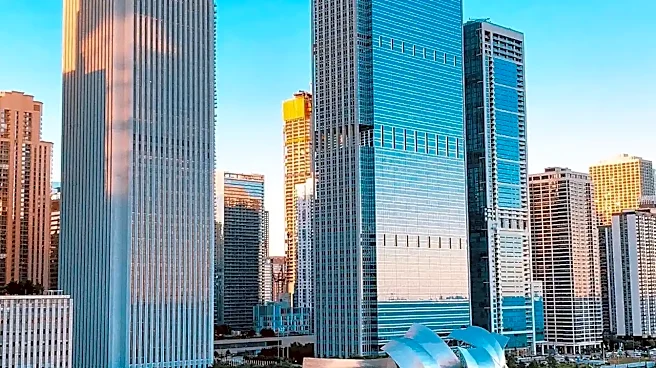
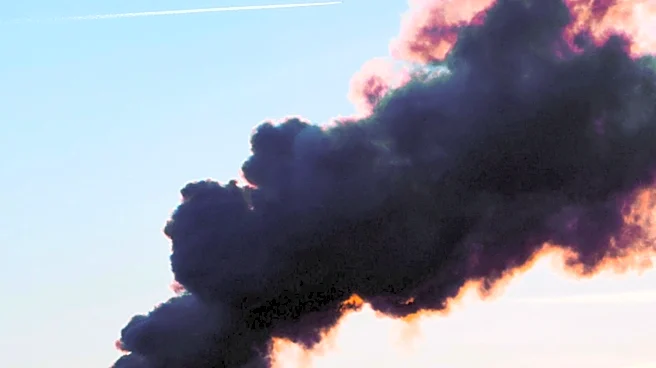
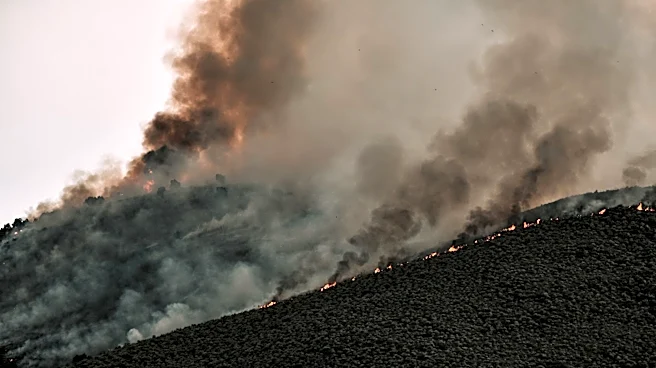
Despite the recent dissipation of wildfire smoke, Chicago continues to grapple with persistent air quality issues. Residents in areas like McKinley Park report ongoing pollution problems, particularly from nearby industrial sources such as asphalt plants.
Community members, including Sonia Monet Saxon, have taken proactive measures by installing air quality sensors to monitor pollution levels. These efforts are part of a broader initiative to track air quality across the city, supported by networks like Open Air Chicago. However, advocates argue that while monitoring is crucial, it does not address the root causes of pollution, which remain a significant concern for public health.
Why It's Important?
The persistent air quality issues in Chicago highlight the broader environmental justice challenges faced by urban communities, particularly those near industrial sites. Poor air quality can have severe health implications, including respiratory problems and increased risk of chronic diseases. The situation underscores the need for comprehensive policy measures to reduce emissions and improve air quality. It also raises questions about the adequacy of current regulatory frameworks and the need for more robust enforcement and community engagement in environmental decision-making.
Beyond the Headlines
The ongoing air quality challenges in Chicago reflect deeper systemic issues related to urban planning and environmental regulation. The proximity of industrial facilities to residential areas often disproportionately affects low-income and minority communities, raising concerns about environmental equity. The reliance on community-driven monitoring initiatives highlights gaps in official air quality management and the need for more inclusive approaches to environmental governance. As cities like Chicago continue to grow, balancing economic development with environmental sustainability will be crucial to ensuring healthy living conditions for all residents.