




What's Happening?
The Grade 6 class from Templeton Academy in Meadows, Newfoundland, has been announced as the national winner of the Mission Explorium 2026 competition. Organized by Agriculture in the Classroom Canada (AITC-C), the competition involved over 5,300 students
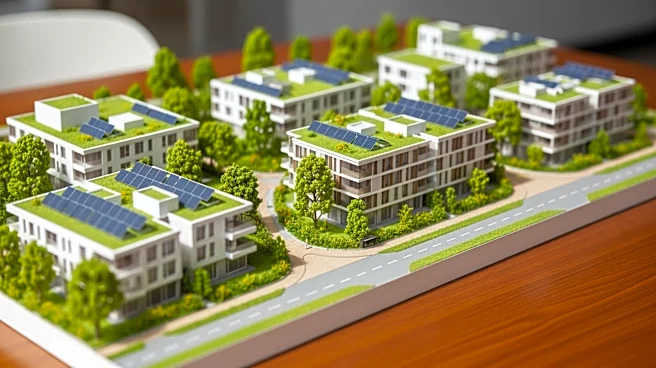
from Grades 6 to 8 across Canada. Participants were tasked with designing a sustainable community on a deserted island, focusing on food production, resource use, and community planning. The Templeton Academy class, led by Nicole Lovell, impressed judges with their innovative ideas, strong storytelling, and a clear focus on sustainable food and community systems. As a reward, the class will receive an indoor garden from Plantaform to further their education in food production and sustainability.
Why It's Important?
This competition highlights the importance of integrating agricultural education into school curriculums, emphasizing sustainability and innovation. By engaging students in practical problem-solving activities, the program aims to prepare the next generation for future challenges in food systems and resource management. The success of Templeton Academy's project underscores the potential of young minds to contribute to sustainable development. This initiative not only fosters critical thinking and collaboration among students but also raises awareness about the role of agriculture in addressing global food security and environmental issues.
What's Next?
Mission Explorium is set to return in 2027, offering more students the opportunity to engage in hands-on learning about agriculture and sustainability. The continuation of this program will likely inspire further innovation and interest in agricultural sciences among young students. As these students progress in their education, they may pursue careers in fields related to sustainability, agriculture, and environmental science, potentially influencing future policies and practices in these areas.
Beyond the Headlines
The competition also sheds light on the broader educational trend of incorporating experiential learning into traditional curriculums. By allowing students to tackle real-world problems, programs like Mission Explorium help bridge the gap between theoretical knowledge and practical application. This approach not only enhances student engagement but also equips them with the skills necessary to navigate complex global challenges. Furthermore, the focus on sustainability aligns with growing societal demands for environmentally responsible practices, potentially influencing future educational standards and priorities.