



What's Happening?
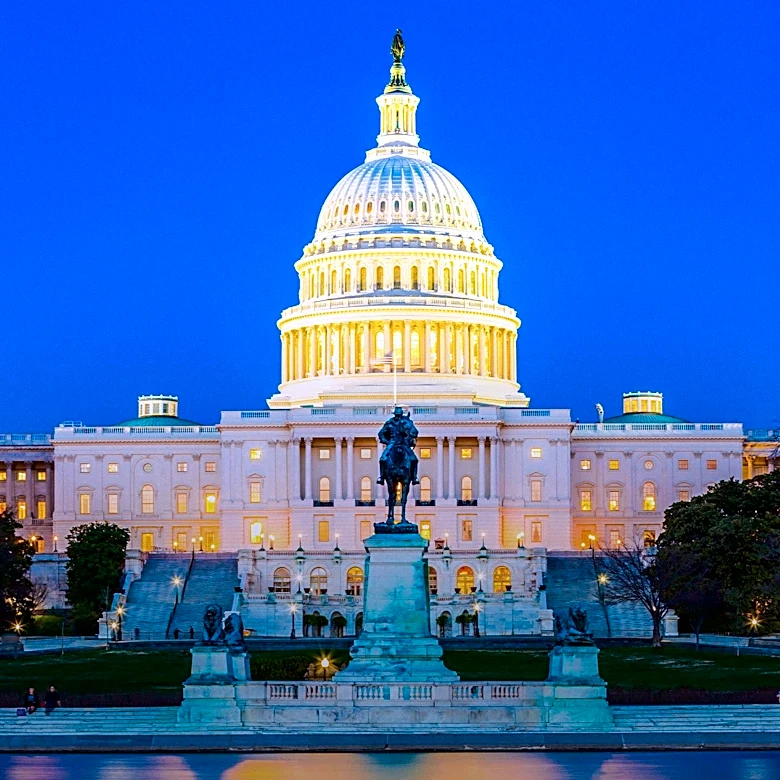
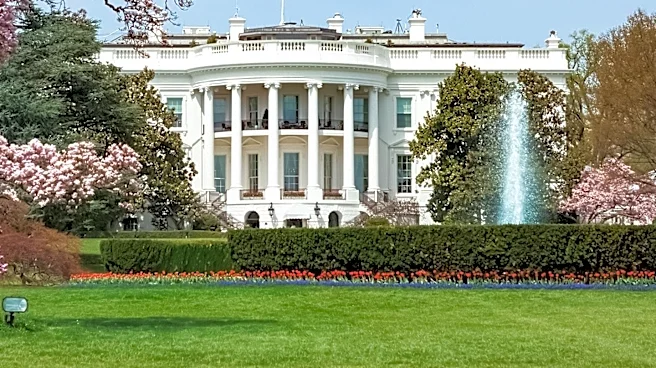
U.S. Representative Jim McGovern, Ranking Member of the Congressional-Executive Commission on China, co-hosted a shadow hearing titled “The Void in China Policy: Why Human Rights Must Be on Trump’s Agenda with Xi at the White House.” This hearing was
held ahead of Chinese President Xi Jinping’s upcoming visit to the U.S. and was co-hosted with Ranking Member Ro Khanna of the House Select Committee on the Strategic Competition Between the United States and the Chinese Communist Party (CCP). The hearing featured testimonies from individuals like Palden Gyal, President of the International Tibet Media Organization, who accused the CCP of systematic efforts to erase Tibetan identity, including through the “Ethnic Unity and Progress Promotion Law.” Other witnesses included Tahir Imin, Founder and Director of Uyghur Post, and Yaqiu Wang, Fellow at the Penn Project on the Future of US-China Relations. The lawmakers expressed regret that the Trump Administration’s approach to human rights in China had jeopardized bipartisan support for U.S. human rights policy.
Why It's Important?
This shadow hearing is significant as it underscores persistent concerns within the U.S. Congress regarding human rights abuses in China, particularly ahead of a high-level diplomatic engagement. By holding this hearing, Representatives McGovern and Khanna aim to pressure the Trump Administration to prioritize human rights in its discussions with President Xi Jinping, highlighting a perceived gap in current U.S. foreign policy. The testimonies from individuals representing Tibetan, Uyghur, and Hong Kong communities provide direct accounts of alleged human rights violations, bringing these issues to the forefront of public and political discourse. The lawmakers' lament over the erosion of bipartisan support for U.S. human rights policy in China suggests a broader concern about the consistency and effectiveness of American foreign policy in promoting democratic values globally. This initiative serves as a critical mechanism for congressional oversight and advocacy, ensuring that human rights remain a part of the U.S.-China relationship.
What's Next?
The shadow hearing's findings and recommendations are intended to inform U.S. policy and potentially influence the agenda for President Trump's meeting with President Xi Jinping. Representative McGovern and other lawmakers will likely continue to advocate for the U.S. to hold the Chinese government accountable for human rights abuses. Palden Gyal, in his testimony, specifically called on Congress to pass the recently introduced Assuring the Future of Tibet Act and urged President Trump to directly raise Tibet in his meeting with Xi. This suggests that legislative action and direct diplomatic engagement will be key next steps. The hearing also aims to provide an assessment of and recommendations for U.S. human rights policy, which could lead to new policy initiatives or a re-evaluation of existing strategies. The ongoing efforts by Tibetan and other advocacy groups will continue to exert pressure on both the U.S. and international communities to address these concerns.
Beyond the Headlines
This event highlights a deeper ideological struggle between democratic values and authoritarian governance, particularly in the context of U.S.-China relations. The concept of a 'shadow hearing' itself signifies a congressional effort to provide an alternative narrative and policy direction when they perceive the executive branch as not adequately addressing critical issues. The testimonies regarding the erasure of cultural and religious identities, such as in Tibet and among the Uyghurs, point to the broader implications of state-sponsored assimilation policies on global cultural diversity and human dignity. The lawmakers' concern about the jeopardized bipartisan support for human rights policy in China reflects a fundamental challenge to the U.S.'s historical role as a global advocate for human rights. This situation raises questions about the long-term impact of prioritizing economic or strategic interests over ethical considerations in international diplomacy, potentially weakening the moral authority of democratic nations on the global stage and emboldening authoritarian regimes.