



What's Happening?
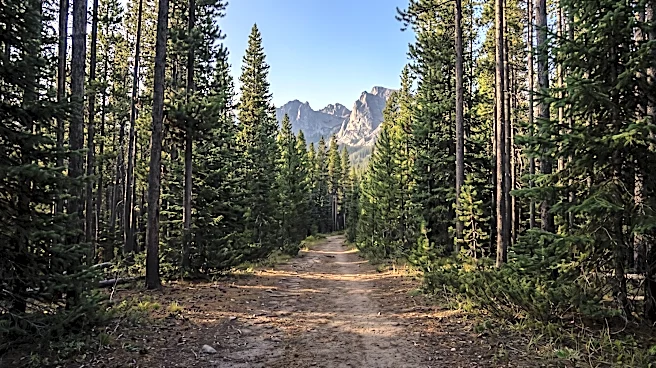
A female hiker, identified only as Aubrey, sustained "life-altering" injuries after being mauled by a grizzly bear in Montana last week. The incident occurred near Columbia Falls while Aubrey was walking with her dog, Frankie, who was unharmed. Officials
from the Montana Fish, Wildlife and Parks (FWP) service characterized the attack as a "surprise, defensive encounter." Investigators discovered a whitetail deer carcass near the scene, leading officials to believe that the presence of a food source and at least one cub contributed to the female bear's aggressive response. Aubrey was airlifted to Seattle for emergency surgery, and an online fundraiser has been established to support her recovery.
Why It's Important?
This incident underscores the inherent risks associated with outdoor recreation in areas inhabited by wildlife, particularly large predators like grizzly bears. For residents and tourists in Montana, a state known for its vast wilderness and wildlife, such attacks highlight the critical importance of bear safety protocols and awareness. The FWP's decision not to take action against the bear, classifying it as a defensive encounter, reinforces the agency's stance on wildlife management, prioritizing the natural behavior of animals in their habitat unless there's evidence of predatory intent. This event also brings attention to the significant physical and emotional toll on victims of wildlife attacks, often requiring extensive medical care and long-term recovery, as evidenced by Aubrey's "life-altering" injuries and the need for community support through fundraising.
What's Next?
Aubrey faces a long and challenging recovery period, with her and her husband, Arley, navigating the extensive medical and personal challenges ahead. The online fundraiser will continue to be a crucial source of support for her medical expenses and rehabilitation. For the Montana Fish, Wildlife and Parks service, this incident will likely prompt renewed efforts in public education regarding bear safety, especially in areas known for grizzly bear activity. This may include increased signage, public advisories, and educational campaigns on how to prevent encounters and react appropriately if one occurs. The event serves as a stark reminder for all outdoor enthusiasts to remain vigilant and prepared when venturing into wilderness areas.
Beyond the Headlines
Beyond the immediate tragedy, this bear attack illuminates broader discussions about human-wildlife coexistence and the management of natural spaces. As human populations expand and recreational activities in wilderness areas increase, the potential for encounters with wildlife also rises. This incident prompts reflection on the balance between conservation efforts, which aim to protect species like grizzly bears, and public safety. It also highlights the psychological impact of such encounters, not only on the victim but also on the wider community, fostering both fear and a deeper respect for nature's power. The FWP's decision not to intervene with the bear, while consistent with their policy for defensive attacks, may spark debate among those who prioritize human safety above all else, versus those who advocate for minimal intervention in wildlife ecosystems. This ongoing tension is a critical aspect of managing shared landscapes.