





What's Happening?
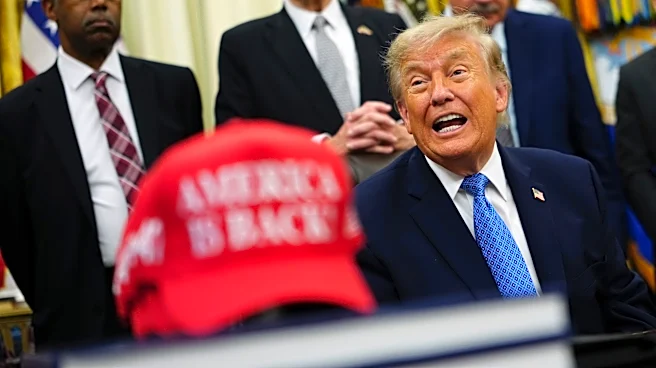
The U.S. government is set to launch 'Trump accounts', a new savings vehicle named after President Trump, designed to help American parents save for their children's future. These accounts, authorized by congressional Republicans, will be available for children born
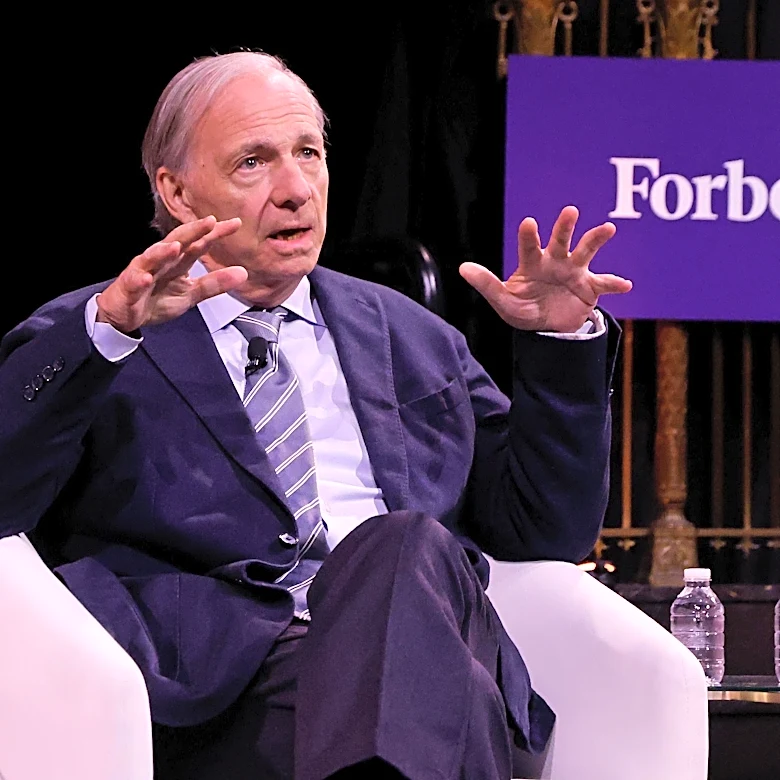
between January 2025 and December 2028. Each account will receive an initial $1,000 from the government, with parents, friends, and employers able to contribute up to $5,000 annually. The funds are intended to be invested in major Wall Street indices, with initial deposits going into a fund managed by State Street that tracks the S&P 500 index. Additional options from BlackRock and Vanguard will be available later. The accounts are part of the One Big Beautiful Bill Act, a key domestic policy measure from Trump's second term, and are linked to the 250th independence celebration. The initiative also includes contributions from billionaires like Michael Dell and Ray Dalio, aimed at providing additional funds to children in lower-income areas.
Why It's Important?
The introduction of Trump accounts represents a significant policy move aimed at bolstering savings for future generations, potentially impacting the financial stability of American families. By tying these accounts to major Wall Street indices, the initiative seeks to provide long-term growth opportunities for the funds. This move comes at a time when President Trump faces criticism over his economic management, with recent polls indicating widespread disapproval. The accounts could serve as a strategic effort to boost electoral support ahead of the midterm elections, as they align with Republican efforts to extend tax cuts and provide financial benefits to working families. The involvement of major financial institutions and billionaires underscores the initiative's potential impact on the financial services industry and its role in addressing economic disparities.
What's Next?
As the Trump accounts go live, the focus will shift to their implementation and uptake among eligible families. The success of the initiative will likely be measured by the number of accounts opened and the total funds invested. Political leaders and financial institutions will closely monitor the program's impact on voter sentiment and economic indicators. The upcoming midterm elections will serve as a critical test for the initiative's effectiveness in swaying public opinion. Additionally, the development of an app by Bank of New York Mellon and Robinhood to manage these accounts will be a key factor in their accessibility and user experience. Stakeholders will also watch for any legislative adjustments or expansions to the program based on its initial performance.