




What's Happening?
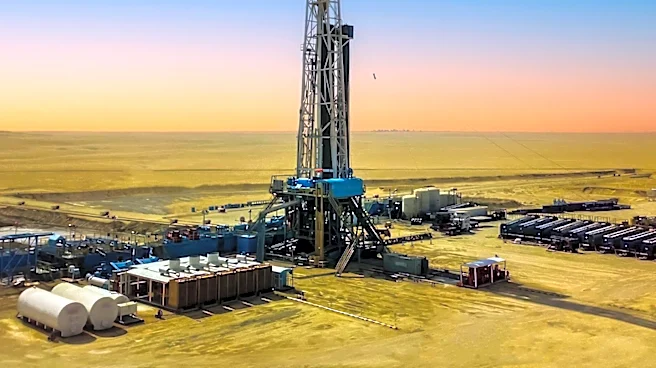
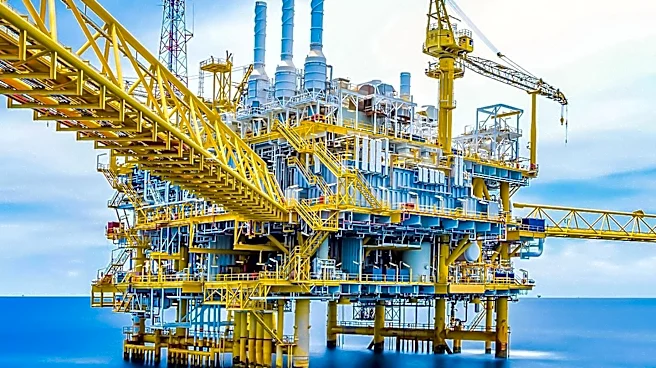
The Republic of Congo is actively pursuing an expansion of its energy sector, aiming to significantly increase oil production to 500,000 barrels per day within the next three years. This initiative is coupled with the advancement of its Gas Master Plan,
designed to reduce gas flaring. As part of this strategy, the country is opening up various investment opportunities across the upstream value chain, particularly for international oil companies interested in reviving exploration and rehabilitating mature oil fields. The Congo Energy & Investment Forum (CEIF) 2027, scheduled for June 1–3 in Brazzaville, will serve as a platform to connect investors and policymakers to discuss these projects and opportunities. The government is also implementing incentives, such as more flexible production-sharing contracts and favorable fiscal terms for deepwater and ultra-deepwater exploration, to attract investment into higher-risk geological areas. Recent successes include TotalEnergies' discovery on the Moho license and Perenco's successful infill drilling campaign on the Tchibouela East field, which increased production by approximately 6,000 barrels of oil per day.
Why It's Important?
This energy expansion in the Republic of Congo holds significant implications for the global energy market and international investors. By increasing its oil output, Congo could contribute to stabilizing global oil supplies, potentially influencing international oil prices. The focus on attracting international oil companies for exploration and field rehabilitation presents lucrative opportunities for U.S. and other global energy firms seeking to expand their portfolios in Africa. The development of Congo's natural gas resources, including the Eni Congo LNG project, positions the country as a growing player in the liquefied natural gas market, offering new sources of energy for importing nations. Furthermore, the investment in power generation and distribution infrastructure aims to address domestic electricity shortfalls, which could foster economic growth within Congo and create additional opportunities for companies specializing in energy infrastructure development and technology.
What's Next?
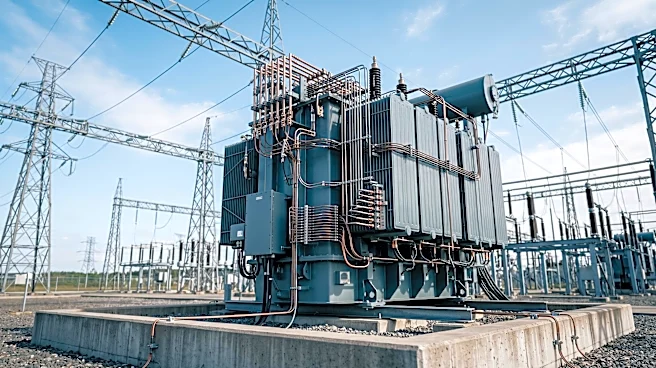
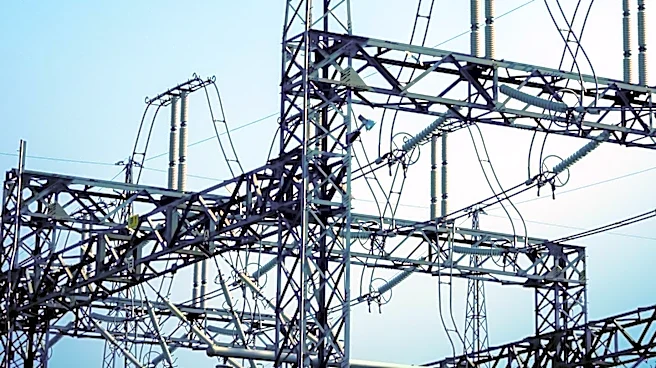
The Congo Energy & Investment Forum (CEIF) 2027 will be a critical event for showcasing the country's energy projects and attracting foreign investment. Following the forum, it is expected that the Republic of Congo will see increased engagement from international oil companies and energy investors, potentially leading to new exploration licenses, development contracts, and partnerships. The government's ongoing reforms at the state utility Énergie Électrique du Congo (E2C) and the World Bank-backed Electricity Services Improvement Project are anticipated to improve the country's power transmission and distribution networks. These developments are crucial for supporting the expanded energy production and ensuring reliable electricity supply, which will be vital for both industrial growth and the general population.
Beyond the Headlines
The Republic of Congo's ambitious energy expansion plan extends beyond mere production increases; it represents a strategic effort to leverage its natural resources for broader economic development and energy security. The emphasis on reducing gas flaring through the Gas Master Plan highlights a commitment to more sustainable energy practices, aligning with global environmental concerns. The challenges in electricity supply, despite significant generation capacity, underscore the importance of robust infrastructure and efficient distribution networks in maximizing the benefits of energy resources. Success in these endeavors could position Congo as a model for other African nations seeking to develop their energy sectors responsibly, while also attracting long-term foreign direct investment that can spur job creation and technological transfer.