








What's Happening?
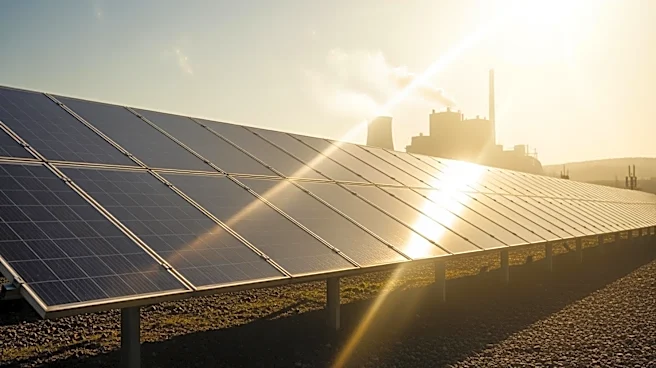
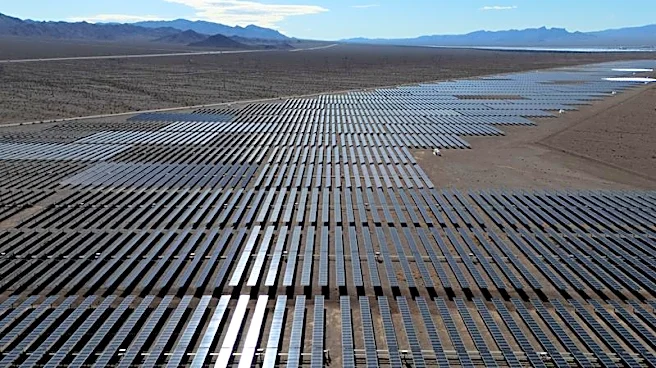
In a historic development, solar energy outperformed coal in the United States in May 2026, despite President Trump's policies favoring coal. The Sierra Club reports that solar energy has become the cheapest and most reliable source of electricity, even
during extreme weather conditions. President Trump's administration has been criticized for its efforts to support the coal industry, including a recent allocation of over $700 million to coal-fired power plants. However, the market continues to favor solar energy due to its cost-effectiveness and environmental benefits. The Sierra Club's Climate Policy Director, Patrick Drupp, emphasized the need for a shift towards clean, affordable, and renewable energy, reflecting the public's growing demand for sustainable energy solutions.
Why It's Important?
The rise of solar energy over coal in the U.S. signifies a major shift in the energy sector, with implications for environmental policy and economic strategy. Solar energy's cost advantages and reliability make it a preferred choice for electricity generation, challenging the traditional dominance of coal. This transition is crucial for reducing carbon emissions and combating climate change. The federal government's continued support for coal, despite market trends, highlights a disconnect between policy and economic realities. The growing preference for renewable energy sources like solar reflects a broader global trend towards sustainability and could influence future energy policies and investments.
What's Next?
The continued growth of solar energy is likely to drive further investments in renewable energy infrastructure and technology. Environmental organizations and industry stakeholders may increase advocacy efforts for policies that support clean energy development. The federal government's stance on energy policy could face challenges as market dynamics increasingly favor renewable sources. This transition may also impact the job market, with potential growth in the renewable energy sector and a decline in coal-related employment. The ongoing shift towards sustainable energy solutions is expected to shape the future of the U.S. energy landscape.