







What's Happening?
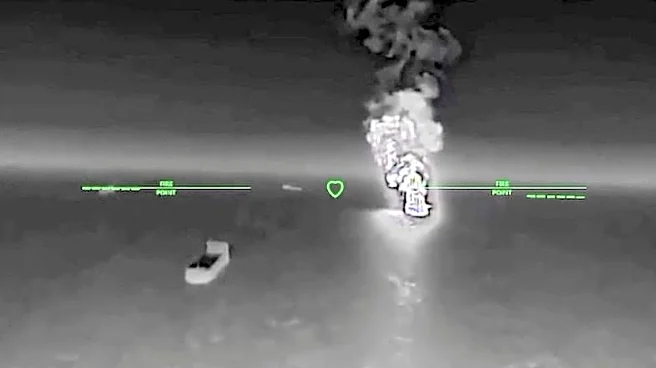
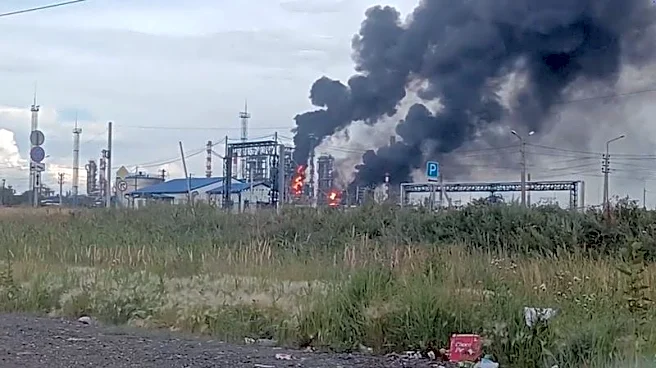
Ukraine has executed a long-range drone strike on Russia's largest oil refinery in Omsk, causing a halt in operations. The refinery, owned by Gazprom Neft, was targeted on Monday, marking one of the deepest-reaching drone attacks by Ukraine during the ongoing
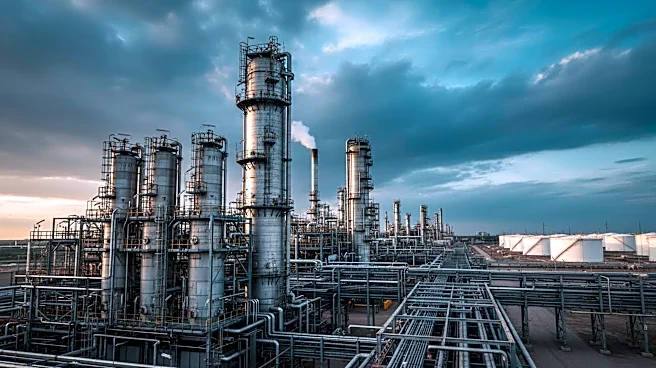
conflict. The Omsk refinery, a critical facility for Russia's fuel production, processed 22 million metric tons of crude oil in 2024 and is a major producer of gasoline and diesel. The attack damaged the CDU-10 crude distillation unit, which accounts for a significant portion of the refinery's processing capacity. Russian officials confirmed the damage but reported no injuries among plant personnel. Restoration efforts are underway, but the halt in operations is expected to exacerbate fuel shortages across Russia.
Why It's Important?
The disruption at the Omsk refinery is significant as it is a key player in Russia's fuel supply chain. The halt in operations could lead to increased fuel shortages within Russia, affecting both domestic consumption and export capabilities. This development highlights the strategic impact of Ukraine's military tactics, potentially altering the dynamics of the conflict by targeting critical infrastructure. The incident also underscores the vulnerability of essential facilities to modern warfare tactics, such as drone strikes, which can bypass traditional defense mechanisms. The broader implications could include shifts in global oil markets, as disruptions in Russian oil production may influence global supply and pricing.
What's Next?
The immediate focus will be on assessing and repairing the damage to the Omsk refinery to resume operations. Russian authorities and Gazprom Neft are likely to expedite restoration efforts to mitigate the impact on fuel supply. Meanwhile, Ukraine's continued use of long-range drones may prompt Russia to enhance its defensive measures around critical infrastructure. The international community will be watching closely, as further disruptions could have ripple effects on global energy markets. Additionally, diplomatic responses may emerge as stakeholders assess the implications of such targeted strikes on international relations and conflict resolution efforts.