







What's Happening?
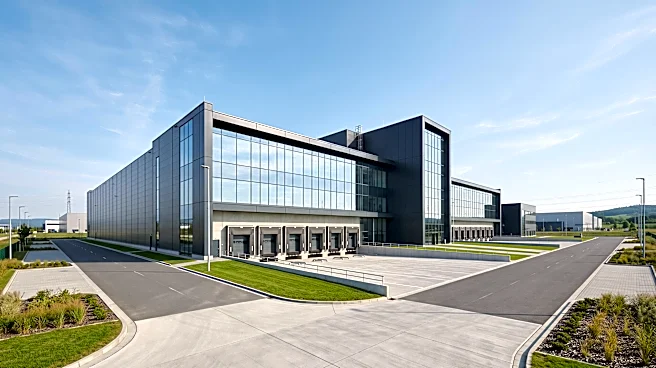
Kentucky Governor Andy Beshear recently provided a comprehensive update on various state initiatives, highlighting significant progress in economic development, public safety, and social welfare. Among the key announcements, Niagara Bottling celebrated
the grand opening of its new $141 million production facility in Kenton County, projected to create 60 new full-time jobs. This investment exceeded its initial forecast by over $11 million. The Governor also approved 137 census tracts across 76 Kentucky counties for Opportunity Zone (OZ) 2.0 designation, aiming to stimulate long-term economic growth in underserved communities. Furthermore, over $18.8 million in grant funding was allocated for 18 transportation projects statewide, focusing on improving safety and accessibility for pedestrians and cyclists. In a major relief effort, the second round of the Team Kentucky Medical Debt Relief Program successfully erased $153 million in medical debt for 67,000 Kentuckians, moving closer to its goal of $250 million in relief for 130,000 eligible individuals. The Governor also addressed upcoming elections, reminding citizens about voting procedures and identification requirements, and announced a disaster declaration from the U.S. Small Business Administration for areas affected by June 2026 storms.
Why It's Important?
These announcements by Governor Beshear underscore a multi-faceted approach to improving the quality of life and economic stability for Kentuckians. The new Niagara Bottling facility and the Opportunity Zone designations are crucial for job creation and attracting further investment, particularly in areas needing economic revitalization. This directly impacts local economies by providing employment opportunities and fostering business growth. The substantial investment in transportation projects, especially those enhancing pedestrian and cyclist safety, addresses critical infrastructure needs and promotes healthier, more accessible communities. The medical debt relief program is particularly impactful, as it directly alleviates financial burdens for tens of thousands of families. Medical debt is a leading cause of bankruptcy in the U.S., and this initiative can free up household income, potentially stimulating local spending and improving residents' financial well-being. The disaster declaration provides much-needed federal assistance to communities recovering from natural disasters, offering loans to homeowners, businesses, and non-profits for rebuilding efforts. Collectively, these initiatives aim to strengthen Kentucky's economic foundation, improve public health outcomes, and enhance community resilience.
What's Next?
Looking ahead, the Team Kentucky Medical Debt Relief Program is set to continue its efforts, with a goal of erasing a total of $250 million in medical debt for 130,000 Kentuckians. Eligible individuals will receive official letters notifying them of their debt erasure, with the second round of letters expected to be mailed around the week of November 9. For those affected by the June 2026 storms, the U.S. Small Business Administration disaster loan application deadline for physical damage is December 28, 2026, and for economic injury, it is July 26, 2027. Business recovery centers are opening in Bullitt and Hardin counties to assist applicants. Additionally, the Kentucky State Police Cadet Class 107 is scheduled to graduate, with 40 cadets joining the force, and applications for Cadet Class 108 are closing soon. These ongoing efforts reflect a sustained commitment to economic development, public safety, and citizen support across the state.
Beyond the Headlines
The comprehensive nature of Governor Beshear's announcements points to a broader strategy of state-led intervention to address economic disparities and social challenges. The medical debt relief program, in particular, highlights a growing trend among states to tackle healthcare affordability issues that often fall outside traditional insurance frameworks. By partnering with non-profits like Undue Medical Debt, Kentucky is demonstrating an innovative approach to alleviating a significant financial burden for its citizens, potentially setting a precedent for other states. The focus on Opportunity Zones and targeted transportation grants also reflects an understanding that economic development must be inclusive, reaching overlooked communities and improving basic infrastructure. This holistic approach, combining economic incentives, social safety nets, and infrastructure improvements, suggests a proactive governance model aimed at fostering long-term stability and equity within the state. The emphasis on public safety, through the graduation of new state troopers, further reinforces the commitment to a secure environment for residents and businesses.