









What's Happening?
A New York homeowner experienced a significant increase in their electricity bill after installing a 17.94-kilowatt solar system with a Tesla Powerwall 3 battery, despite believing they were drawing minimal power from the grid. The unexpected high bill was
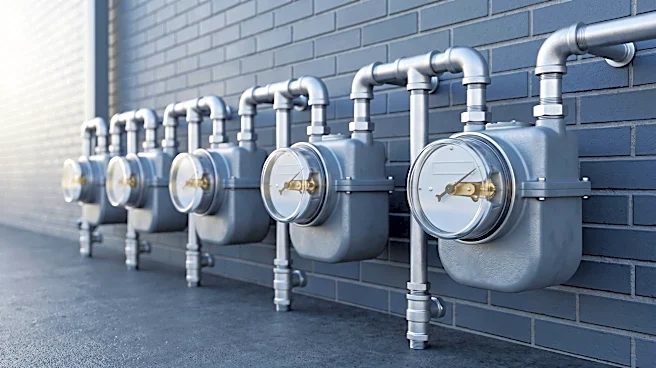
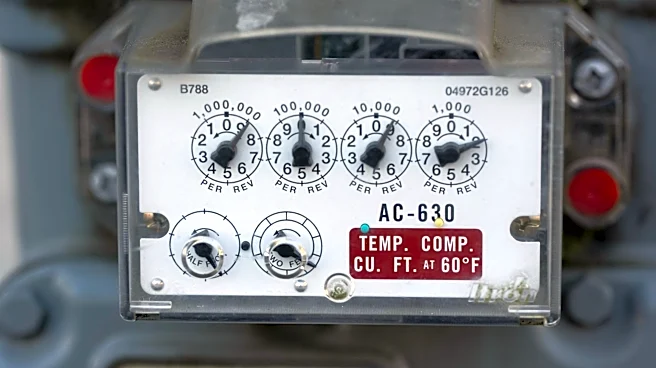
attributed to an old utility meter that was not configured for solar, causing it to register electricity exported to the grid as consumption rather than offsetting it. This issue arose because the system was brought online before receiving 'Permission to Operate' (PTO) from the utility company, National Grid. Older meters are typically 'forward-only,' meaning they cannot accurately measure bidirectional energy flow, leading to incorrect billing when solar panels export power. This incident highlights a critical pitfall for homeowners who energize their solar systems prematurely without proper utility configuration and approval.
Why It's Important?
This situation underscores a significant challenge in the residential solar adoption process: the critical importance of utility interconnection and meter upgrades. An outdated utility meter can negate the financial benefits of a solar installation, turning anticipated savings into unexpected costs. For homeowners, this means that the physical installation of solar panels and batteries is only one part of the equation; proper administrative and technical integration with the utility grid is equally vital. For the solar industry, it emphasizes the need for clear communication with customers about the PTO process, meter requirements, and the potential risks of operating a system before full utility approval. Such incidents can erode consumer confidence in solar energy, despite the technology's inherent benefits, if not properly managed and explained by installers and utilities. It also highlights a broader infrastructure challenge as older grid systems adapt to modern distributed energy resources.
What's Next?
Homeowners installing solar systems must ensure they receive official 'Permission to Operate' (PTO) from their utility company before energizing their panels. This typically involves a utility inspection and, if necessary, an upgrade or reprogramming of the existing meter to accurately measure both electricity consumed from and exported to the grid. Installers should clearly communicate the PTO timeline and potential billing implications of premature operation. Homeowners are also advised to download and compare their usage data from the utility website with their solar monitoring app to identify any discrepancies. For those in areas with older infrastructure, proactive engagement with the utility regarding meter compatibility is crucial. This incident may prompt utilities and solar companies to streamline the PTO process and enhance customer education to prevent similar billing surprises, ensuring a smoother transition to solar energy for consumers.
Beyond the Headlines
This New York homeowner's experience points to a deeper systemic issue: the friction between rapidly advancing renewable energy technology and legacy utility infrastructure and regulations. The 'forward-only' meter problem is a symptom of a grid designed for one-way power flow, struggling to adapt to a decentralized energy landscape. This situation raises questions about regulatory frameworks that may not have kept pace with technological innovation, potentially creating barriers to clean energy adoption. Ethically, it highlights the responsibility of both solar installers and utility companies to provide transparent and comprehensive information to consumers, preventing financial harm due to technical or procedural oversights. The long-term implication is a push for accelerated grid modernization, including smart meters and updated interconnection protocols, to seamlessly integrate distributed energy resources. This incident serves as a stark reminder that the success of the energy transition depends not just on installing new technologies, but also on upgrading the underlying infrastructure and regulatory environment.