






What's Happening?
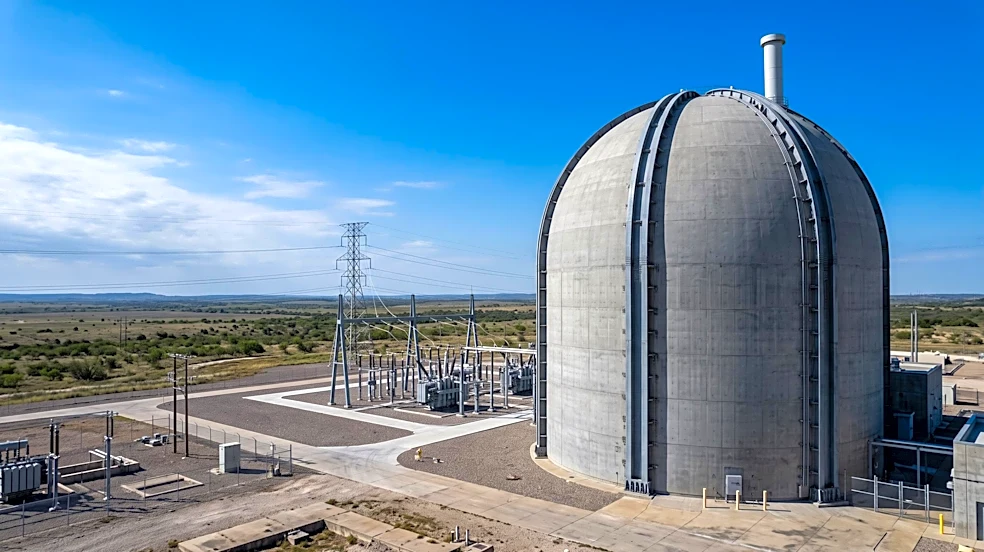
AtkinsRéalis Group Inc., the State of Indiana, and Hoosier Energy Rural Electric Cooperative have signed a Memorandum of Understanding (MOU) to explore the potential development of a campus of up to eight CANDU nuclear reactors in Indiana. This initiative
aims to provide up to 6.0 GW of new nuclear-powered baseload generation to meet Indiana's future electricity needs. The collaboration seeks to maintain or enhance reliability, affordability, resilience, stability, and environmental sustainability within the state's energy infrastructure. The MOU will facilitate initial discussions to evaluate deployment scenarios for CANDU nuclear technology, which has over six decades of operating experience globally. This evaluation comes as electricity demand in the U.S. continues to rise, driven by advanced manufacturing, artificial intelligence, data centers, and broader electrification trends. AtkinsRéalis has already begun pre-application engagement with the U.S. Nuclear Regulatory Commission (NRC) to advance the U.S. licensing pathway for CANDU technology.
Why It's Important?
This partnership is significant for U.S. energy goals as it explores a proven, large-scale nuclear technology to address growing electricity demand and enhance energy security. The potential deployment of up to 6.0 GW of nuclear power in Indiana would strengthen grid resilience, create economic opportunities, and support the broader energy objectives of the United States. CANDU technology's features, such as fuel flexibility, use of natural uranium, and strong operating record, could contribute to a diversified and stable energy mix. For Indiana, this initiative could lead to more affordable power and the creation of long-term, skilled jobs, benefiting Hoosier communities. The evaluation of a multi-unit/fleet approach also offers opportunities for standardized design, repeatable construction, and the development of a sustained skilled workforce and domestic supply chain, which are crucial for the long-term growth of the U.S. nuclear industry.
What's Next?
The immediate next steps involve initial discussions and evaluations of potential deployment scenarios for CANDU nuclear technology in Indiana. This will include assessing requirements for a multi-unit/fleet nuclear program, site selection, commercial structures, power purchase agreements, workforce development, and grid integration. Any potential project timeline will be contingent on various factors, including site selection, financing, regulatory and licensing activities, environmental review, transmission planning, and community engagement. AtkinsRéalis will continue its pre-application engagement with the U.S. Nuclear Regulatory Commission (NRC) to advance the licensing process for CANDU technology in the U.S. Meaningful engagement with local communities, elected officials, landowners, and businesses will be a critical component of any future evaluation process.
Beyond the Headlines
The exploration of CANDU nuclear technology in Indiana highlights a broader shift in the U.S. energy landscape towards embracing diverse, reliable, and sustainable power sources. This move could signal a renewed commitment to large-scale nuclear power as a foundational element of the nation's energy strategy, moving beyond smaller modular reactors (SMRs) to consider established, larger-scale solutions. The emphasis on a multi-unit/fleet approach suggests a long-term vision for industrializing nuclear plant construction, potentially driving down costs and accelerating deployment. Furthermore, the initiative underscores the increasing pressure on states to secure stable and affordable electricity amidst rising demand from new technologies like AI and advanced manufacturing, which could lead to similar evaluations of nuclear power in other regions across the U.S. This could also foster greater collaboration between U.S. and Canadian nuclear regulatory bodies, leveraging existing expertise and streamlining future licensing processes.