







What's Happening?
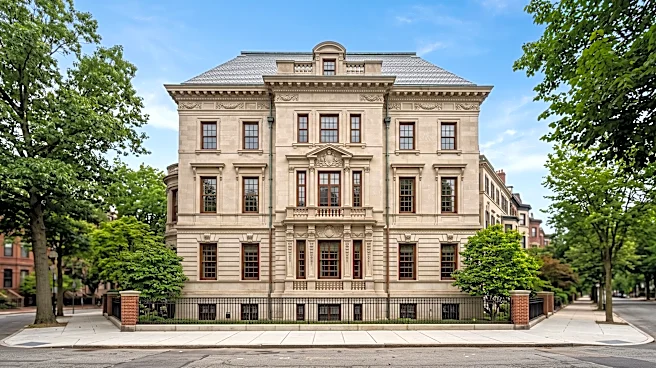
Houston residents are calling for enhanced safeguards for the city's historic structures after the demolition of the Kirby Mansion on October 30, 2026. During a city council meeting, nearly a dozen Houstonians voiced concerns that the demolition began
without proper permitting. Phoebe Tudor, chairman of the National Trust for Historic Preservation, highlighted that less than 1% of Houston's buildings are considered historic, emphasizing the need for preservation. Tudor proposed implementing moratoriums on historic building demolitions, establishing waiting periods, initiating landmark designations for significant structures, and facilitating discussions between historic property owners and preservationists. Public records indicate that OB Texas Properties LLC, linked to convenience store and gas station companies, acquired the property. Former Harris County Historical Commissioner Jason Fuller attempted to halt the demolition after observing it proceed without apparent proper procedures, confronting workers on-site. Council member Sallie Alcorn expressed support for the residents' concerns, confirming that while a demolition permit was eventually obtained, the initial actions were taken without one, and advocated for the maximum possible fine against the responsible party.
Why It's Important?
The demolition of the Kirby Mansion and the subsequent public outcry underscore a significant tension between urban development and historic preservation in Houston. This event highlights potential loopholes or insufficient enforcement within current city regulations, allowing developers to proceed with demolitions, sometimes without initial permits, and face what some perceive as nominal fines. The calls for moratoriums and stronger landmark designations reflect a growing public desire to protect the city's architectural heritage, which is seen as integral to its identity and cultural value. If the city council acts on these demands, it could lead to more stringent preservation policies, potentially impacting future development projects and increasing costs or delays for developers. Conversely, a failure to act might embolden further demolitions of historic properties, leading to a loss of unique urban character and potential public backlash. The situation also brings to light the role of community activism in holding developers and city officials accountable for urban planning decisions.
What's Next?
Following the city council meeting, the immediate next steps will likely involve city officials reviewing current demolition permit processes and historic preservation ordinances. Council members, having expressed support for stronger enforcement, may push for investigations into the Kirby Mansion demolition to ensure appropriate fines are levied against OB Texas Properties LLC. Advocacy groups like the National Trust for Historic Preservation and local residents will likely continue to pressure the city council to implement the proposed measures, such as demolition moratoriums and expedited landmark designations. This could lead to public hearings or workshops to gather broader community input on potential policy changes. Developers and property owners in Houston might face increased scrutiny and stricter requirements for projects involving older structures, potentially leading to a re-evaluation of development strategies in historically significant areas. The outcome of these discussions will determine whether Houston adopts a more proactive stance on preserving its architectural past.
Beyond the Headlines
The Kirby Mansion demolition transcends a single property dispute, touching upon broader ethical and legal questions regarding property rights versus public interest in historic preservation. The incident highlights a potential systemic issue where the economic incentives for rapid development may outweigh the perceived value of historical assets, especially in a city known for its growth-oriented policies. Legally, the case could prompt a re-examination of the penalties for unpermitted demolitions, questioning whether current fines are sufficient deterrents or merely a cost of doing business for developers. Ethically, it raises questions about corporate responsibility in urban development and the role of local government in balancing progress with heritage. Culturally, the loss of such landmarks erodes the tangible links to a city's past, potentially diminishing its unique character and sense of place for future generations. This event could catalyze a long-term shift in Houston's urban planning philosophy, moving towards a more integrated approach that values and protects its historical fabric alongside economic expansion.