








What's Happening?
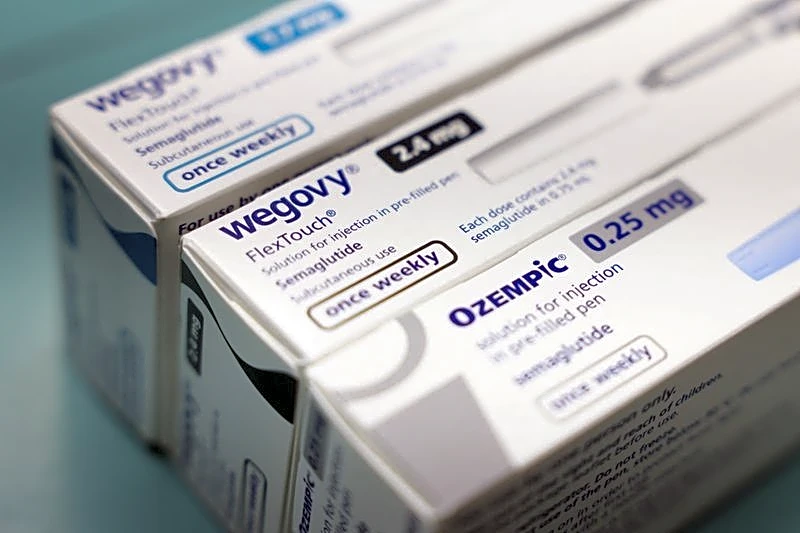
Adam Renteria, a 17-year-old, has shared his experience with taking a GLP-1 medication, Wegovy, to manage obesity. Adam's mother, Robin, sought medical intervention after traditional diets and exercise proved ineffective and Adam's blood pressure was
dangerously high. Prescribed by Dr. Emily Breidbart, a pediatric endocrinologist at Hassenfeld Children's Hospital at NYU Langone, Wegovy is the only weekly GLP-1 medication approved by the FDA for obesity in children over 12. Over two years, Adam's Body Mass Index (BMI) decreased from 36 to 22.8, and his mother noted significant behavioral changes, including reduced snacking and smaller meal portions. Adam reported increased confidence and physical capabilities, even joining a cheer team. Experts emphasize that GLP-1 medications are not a quick fix and may require long-term use, with ongoing research into their long-term effects on children.
Why It's Important?
Adam's story highlights the growing role of GLP-1 medications in addressing childhood obesity, a significant public health concern with 20% of U.S. children affected. While prescriptions for children remain low, a study from NYU Langone Health indicated a 310% rise in Wegovy prescriptions for kids from 2019 to 2026, signaling a shift in treatment approaches. This case demonstrates the potential for these drugs to improve not only physical health metrics like BMI and blood pressure but also psychological well-being and social engagement in adolescents. The narrative underscores the importance of medical supervision and family support when considering such treatments, as well as the need for continued research into long-term outcomes and potential side effects. It also brings to light the complex decision-making process for families and healthcare providers in managing pediatric obesity.
What's Next?
For families considering GLP-1 drugs for children, experts advise a comprehensive approach that includes healthy eating, exercise, and careful consideration of potential side effects and the likelihood of long-term medication use. Ongoing research is crucial to fully understand the long-term effects of GLP-1 use in children, including what happens if medication is discontinued. Healthcare providers will continue to assess individual patient eligibility, emphasizing that these medications are not suitable for every child. The increasing adoption of GLP-1s in pediatric care may lead to further discussions on insurance coverage, accessibility, and the development of more tailored treatment guidelines for younger populations. Public awareness campaigns may also emerge to educate parents and guardians about the benefits and risks associated with these medications.
Beyond the Headlines
Adam's experience with Wegovy touches upon deeper societal implications regarding body image, mental health, and the medicalization of obesity in youth. His improved confidence and willingness to engage in activities like cheerleading illustrate the profound impact weight can have on an adolescent's self-perception and social development. The rise in GLP-1 prescriptions for children also sparks ethical debates about early intervention, the potential for lifelong dependency on medication, and the balance between pharmaceutical solutions and lifestyle changes. It challenges the traditional narrative around weight management, suggesting that for some, medication can be a vital tool when other methods fail. This shift could influence how society views obesity, moving towards a more medical and less stigmatizing understanding, while also prompting critical examination of the pharmaceutical industry's role in addressing public health crises.