




What's Happening?
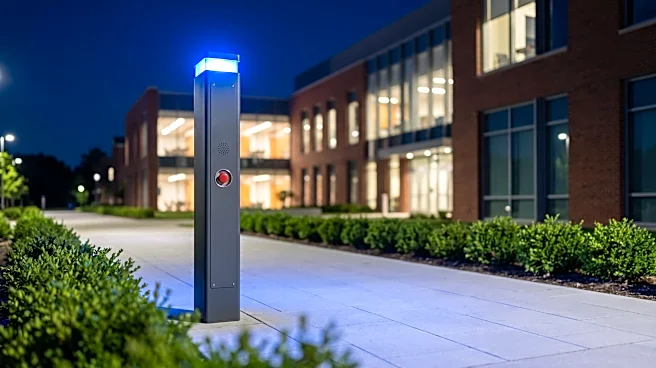
Binghamton University has introduced a series of safety programs designed to ensure the well-being of its students and staff when traversing the campus at night. These initiatives include the closure of all gates except the main entrance to vehicular
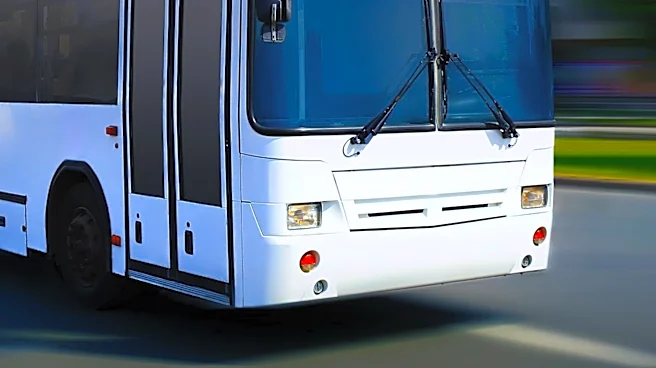
traffic from midnight until 5 a.m. daily. The campus is also equipped with 82 highly visible blue-light phones that provide direct communication with University Police. Additionally, the university promotes a "See and Be Seen" campaign, encouraging pedestrians and drivers to practice safe habits such as using sidewalks, slowing down, and avoiding texting while walking or driving. Transportation and Parking Services (TAPS) operates a green campus shuttle on weekdays and a blue bus on weekends, with real-time tracking available via the ETA SPOT application. TAPS also offers a Safe Ride program, providing point-to-point escorts on the main campus from 11 p.m. to 3 a.m. seven days a week for individuals who feel unsafe. On-campus escorts are available 24 hours a day through University Police.
Why It's Important?
These safety measures are crucial for fostering a secure environment within the university community, particularly during nighttime hours. The implementation of gate closures and blue-light phones directly addresses potential security risks and provides immediate access to emergency services, enhancing the sense of safety for students and staff. The "See and Be Seen" campaign aims to reduce accidents by promoting responsible behavior among both pedestrians and drivers, which is vital in a busy campus setting. The availability of shuttle services and the Safe Ride program ensures that individuals have reliable and secure transportation options, mitigating concerns about walking alone at night. By proactively addressing safety, Binghamton University can improve student retention, attract new students, and maintain its reputation as a responsible educational institution, ultimately contributing to a more positive and productive academic experience for everyone.
What's Next?
Binghamton University will continue to monitor the effectiveness of its night safety programs and make adjustments as needed. The university is likely to reinforce awareness campaigns for the blue-light phones, Safe Ride program, and shuttle services to ensure all community members are familiar with these resources. There may be ongoing evaluations of campus lighting, pedestrian pathways, and traffic flow to identify further areas for improvement. The university will also likely continue to encourage feedback from students and staff regarding their safety experiences to refine existing protocols and introduce new initiatives. Future developments could include technological enhancements to safety systems or expanded hours for certain services based on demand and incident reports. The focus will remain on maintaining a secure and accessible campus environment for all.
Beyond the Headlines
The comprehensive approach to campus safety at Binghamton University reflects a broader trend in higher education institutions to prioritize student well-being beyond academic and social aspects. This initiative highlights the ethical responsibility universities have to provide a secure living and learning environment, especially given the unique vulnerabilities associated with a college campus, such as late-night study sessions and social activities. The integration of technology, such as real-time shuttle tracking and direct emergency communication, underscores the evolving strategies in campus security. Furthermore, the emphasis on shared responsibility through the "See and Be Seen" campaign promotes a culture of collective safety, where individual actions contribute to the overall security of the community. This holistic approach to safety can significantly impact the mental health and overall quality of life for students, reducing anxiety and allowing them to focus more effectively on their studies and personal growth.