







What's Happening?
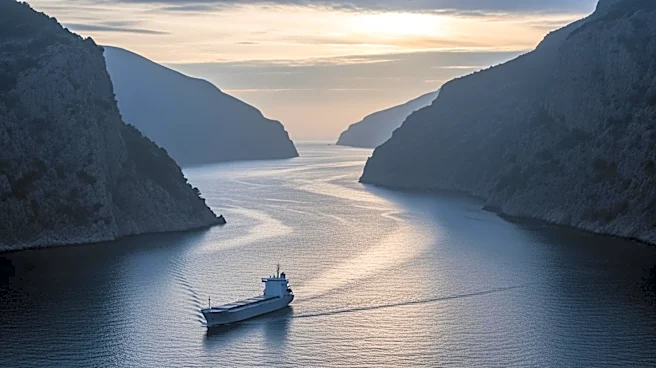
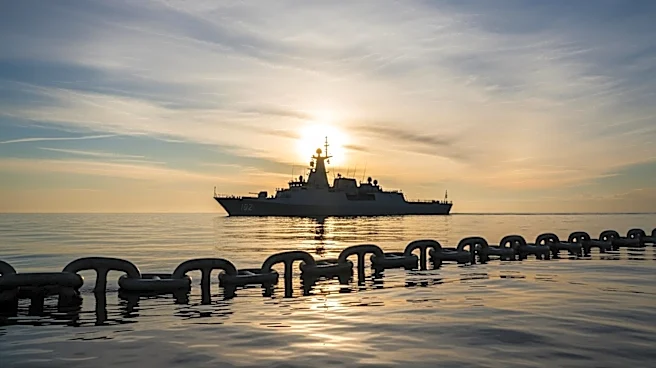
Iran has announced it will not participate in the upcoming round of talks with the United States, citing the closure of the Strait of Hormuz as a significant point of contention. The Iranian Revolutionary Guards Corps has closed the strait in response
to a U.S. blockade, threatening to attack any vessel attempting to pass through. This move is seen as a serious violation of the cease-fire agreement, according to President Trump. The closure of this vital maritime trade corridor has escalated tensions between the two nations, with Iran demanding the lifting of the U.S. blockade on its ports before any further negotiations can proceed.
Why It's Important?
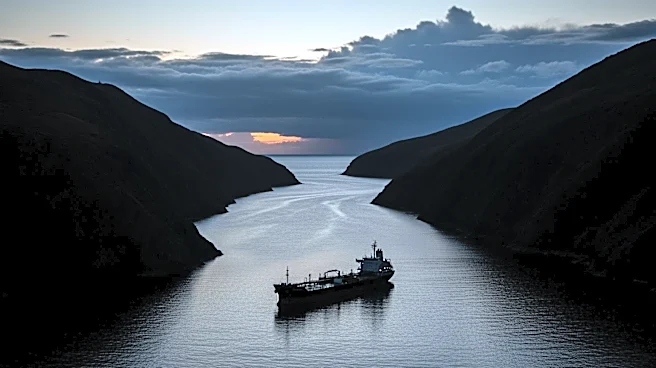
The Strait of Hormuz is a critical chokepoint for global oil shipments, and its closure could have significant implications for international energy markets. The standoff between Iran and the U.S. not only affects bilateral relations but also poses risks to global economic stability. The U.S. blockade and Iran's retaliatory actions could lead to increased oil prices and disrupt supply chains. Additionally, the situation highlights the fragile nature of the cease-fire and the challenges in reaching a diplomatic resolution. The ongoing conflict underscores the geopolitical tensions in the region and the potential for further escalation.
What's Next?
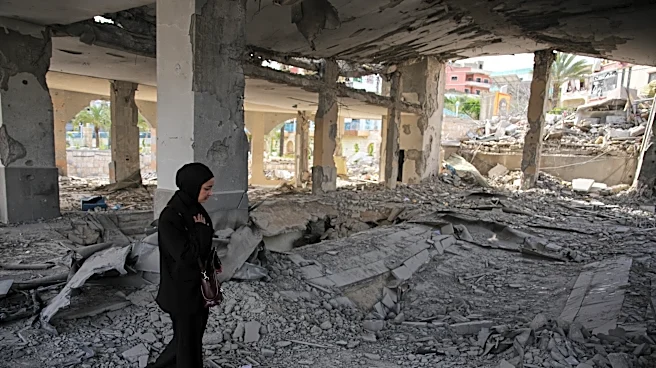
The international community is closely monitoring the situation, with mediators attempting to facilitate dialogue between the U.S. and Iran. The current cease-fire is set to expire soon, and without progress in negotiations, there is a risk of renewed hostilities. Both nations face pressure to de-escalate the situation, but significant gaps remain in their positions. The U.S. is likely to continue its naval blockade, while Iran may persist in its demands for the lifting of sanctions. The outcome of this standoff will have far-reaching consequences for regional stability and international relations.