

What's Happening?
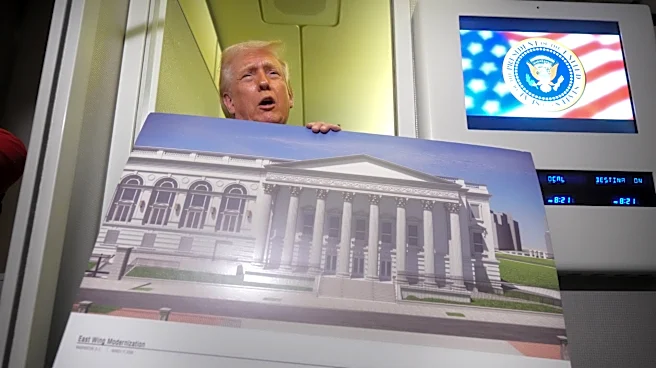
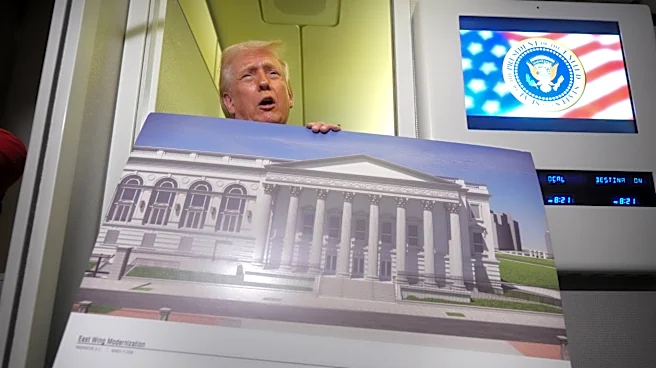
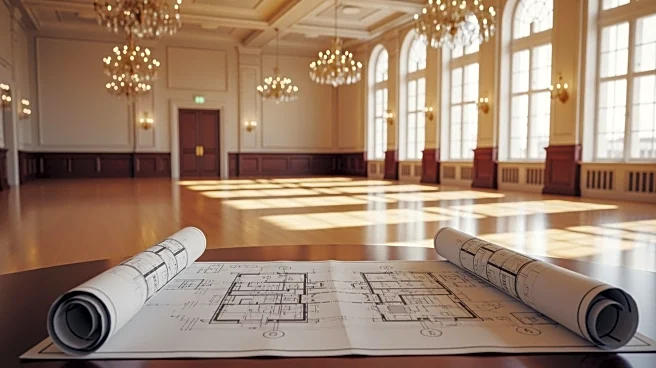
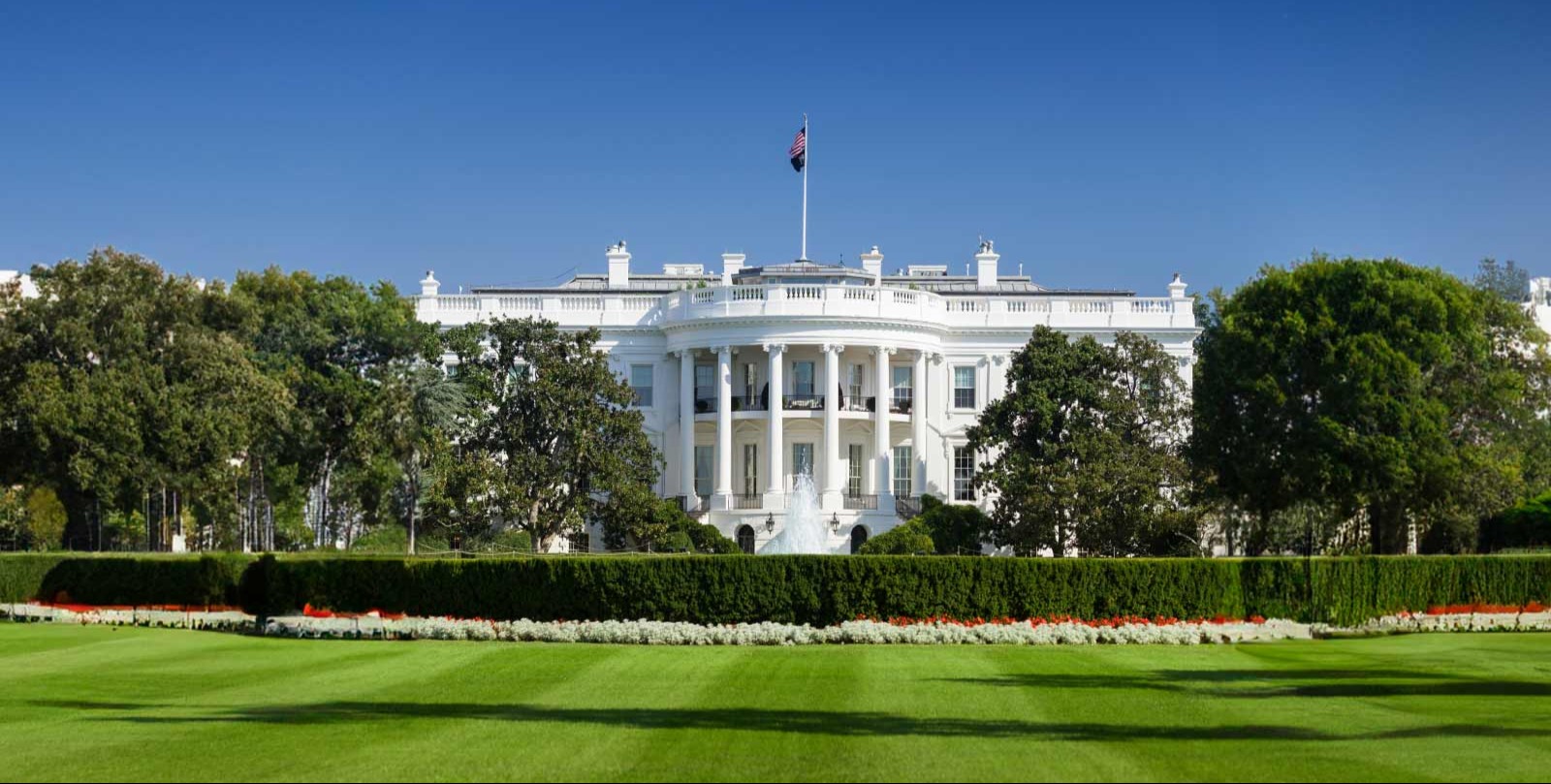
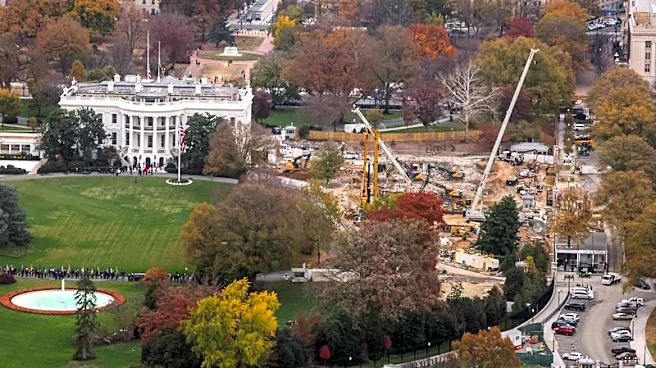
A federal judge in Washington, DC, has ordered a halt to the construction of a new ballroom at the White House, a project initiated by President Trump. The decision, issued by Judge Richard J. Leon, requires the White House to seek congressional approval
before proceeding with the $400 million project. The ruling emphasizes that the President, while a steward of the White House, does not have the authority to undertake such significant construction without legislative consent. The National Trust for Historic Preservation, which filed a lawsuit against the project, welcomed the decision, highlighting the importance of maintaining the constitutional process. The White House has been given 14 days to appeal the injunction, and the case may eventually reach the Supreme Court.
Why It's Important?
This ruling underscores the constitutional checks and balances between the executive branch and Congress, particularly concerning federal property and spending. The decision reinforces Congress's authority over significant alterations to national landmarks like the White House. It also highlights the ongoing tension between President Trump and various oversight bodies, as well as the legal challenges his administration faces in executing its agenda. The outcome of this case could set a precedent for future executive actions involving federal property and the extent of presidential power. The halt in construction also reflects broader concerns about preserving historical sites and ensuring that changes to such sites undergo proper scrutiny.
What's Next?
The White House is expected to appeal the decision, potentially escalating the case to higher courts, including the Supreme Court. Meanwhile, Congress may be approached to authorize the project, which could lead to debates over the use of private funds for public property enhancements. The National Capital Planning Commission's upcoming meeting may also play a role in determining the project's future. Stakeholders, including preservationists and government officials, will likely continue to monitor the situation closely, as it could influence future policies on federal property management and executive authority.