







What's Happening?
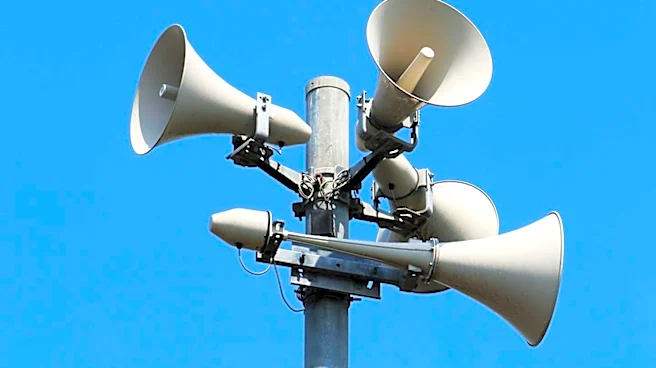
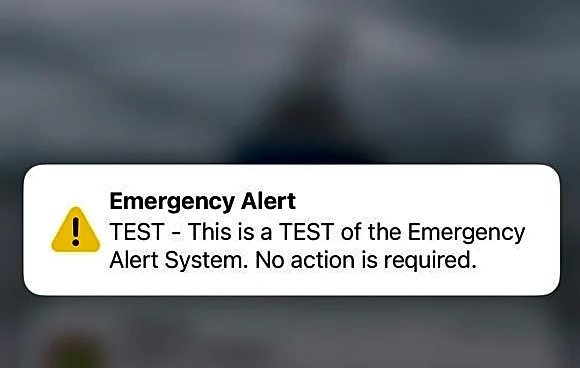
A nationwide test of the Emergency Alert System (EAS) was conducted on November 17, 2026, at approximately 2:20 p.m. in Rhode Island and across the United States. This test, mandated every three years, is a crucial exercise to ensure the system's functionality
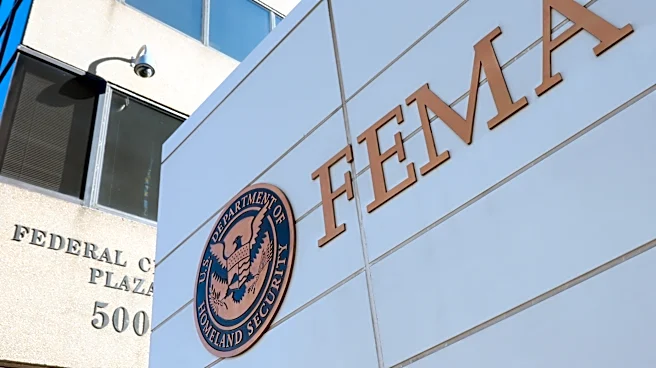
in the event of actual emergencies. The Federal Emergency Management Agency (FEMA) and the Federal Communications Commission (FCC) announced the test well in advance, emphasizing that it was a routine procedure and not indicative of an actual emergency. The test lasted for about one minute and aimed to identify any technical or operational issues within the system. Such tests are vital for preparing the public and emergency services for various threats, including natural disasters, terrorist attacks, and other public safety concerns. The exercise helps officials refine the system's capabilities, ensuring it can effectively disseminate critical information when needed most.
Why It's Important?
The regular testing of the Emergency Alert System is paramount for national security and public safety. In an era where timely information can save lives, a robust and reliable alert system is indispensable. For U.S. citizens, these tests provide reassurance that mechanisms are in place to inform them during crises, from severe weather events to national security threats. For emergency management agencies, the tests are critical for identifying vulnerabilities and improving response protocols. A malfunctioning alert system could lead to delayed warnings, increased casualties, and widespread panic during a real emergency. Therefore, the successful execution of these tests is a key indicator of the nation's preparedness for unforeseen events, directly impacting the safety and well-being of communities across the country.
What's Next?
Following the nationwide EAS test, FEMA and the FCC will analyze the results to identify any technical glitches, operational shortcomings, or areas for improvement. This analysis will inform future adjustments and upgrades to the system, ensuring its continued effectiveness. The data collected from this test will be used to refine protocols, enhance infrastructure, and improve coordination among various agencies involved in emergency broadcasting. The public can expect continued periodic tests as part of the ongoing effort to maintain and strengthen the national emergency alert infrastructure. These evaluations are crucial for adapting the system to evolving technological landscapes and emerging threats, thereby bolstering the nation's resilience against future emergencies.
Beyond the Headlines
Beyond its immediate function of testing emergency communication, the EAS test highlights the broader societal reliance on interconnected communication systems for public safety. It underscores the importance of government agencies proactively preparing for worst-case scenarios and the role of technology in mitigating disaster impacts. The test also serves as a subtle reminder to individuals and communities about the importance of personal emergency preparedness, encouraging them to develop their own plans and stay informed. In a world increasingly susceptible to various forms of crises, from cyberattacks to climate-related disasters, a well-functioning and regularly tested emergency alert system is a cornerstone of national resilience and a testament to the commitment to public welfare.