







What's Happening?
Researchers at the Texas A&M University College of Veterinary Medicine and Biomedical Sciences have found that an excess of RNA within cells can disrupt mitochondrial function, thereby reducing the cell's energy production. This discovery, reported by ScienceDaily,
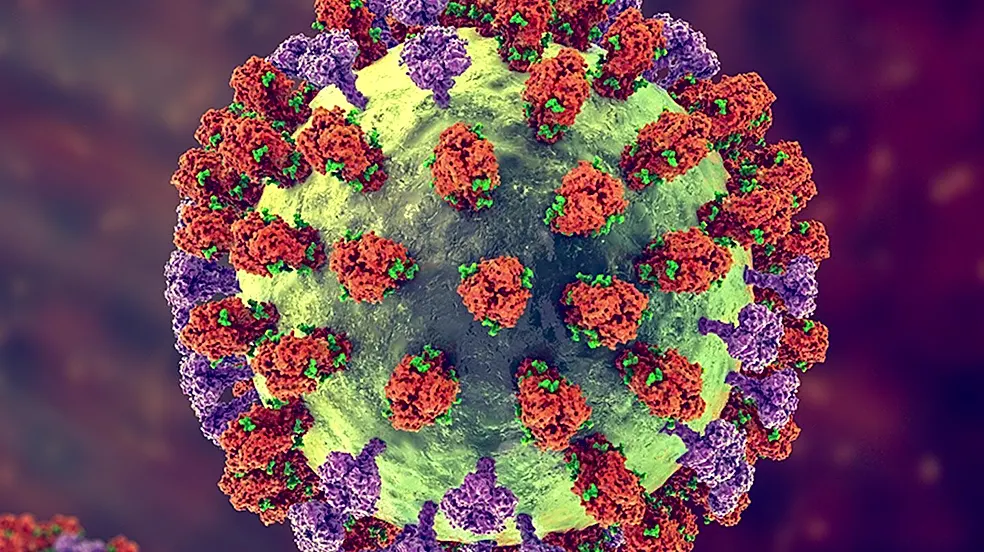
emerged from studies focusing on RNA accumulation during poxvirus infections, which include viruses responsible for smallpox and mpox. The study, published in the journal Proceedings of the National Academy of Sciences, indicates that cellular RNA degradation systems are crucial not only for controlling protein production and regulating immune responses but also for maintaining cellular energy resources. While it was previously known that excessive double-stranded RNA could trigger harmful immune responses, the new findings reveal that even ordinary messenger RNA, when in excess, can negatively affect mitochondria. Experiments with isolated mitochondria demonstrated that damage occurred even without activating an immune response, suggesting a direct impact of excess RNA on these organelles. The exact mechanism is still under investigation, but researchers hypothesize that large quantities of negatively charged RNA might accumulate near mitochondria, disrupting the electrical and chemical balance across their inner membrane, which is essential for ATP formation.
Why It's Important?
This research holds significant implications for understanding various health conditions and for the development of future therapies. Abnormal RNA accumulation has been observed in several diseases, including certain cancers, neurodegenerative disorders, and conditions related to aging. The findings suggest that mitochondrial dysfunction caused by excess RNA could be a contributing factor in these pathologies, opening new avenues for research into their underlying mechanisms. Furthermore, the study's insights could be valuable for the development of RNA therapies and mRNA vaccines. Understanding how RNA levels impact cellular health is critical for optimizing the safety and efficacy of such treatments. While the study does not establish that existing mRNA vaccines cause mitochondrial damage in humans, it highlights the importance of further research into the long-term effects and optimal regulation of RNA in therapeutic contexts. This fundamental understanding of cellular processes could lead to more targeted and safer medical interventions in the future.
Beyond the Headlines
The discovery that excess RNA directly harms mitochondria without necessarily triggering an immune response introduces a new layer of complexity to our understanding of cellular stress and disease. This direct impact on energy production suggests a more fundamental vulnerability within cells than previously understood, extending beyond the well-documented immune responses to viral RNA. The implications could stretch into areas of metabolic health and chronic disease, where mitochondrial dysfunction is a common thread. For instance, if certain environmental factors or genetic predispositions lead to impaired RNA degradation, individuals might be at higher risk for conditions linked to energy deficits. This research also prompts a re-evaluation of how cells manage their internal molecular environment, emphasizing the critical role of RNA degradation pathways in maintaining overall cellular homeostasis. Future research may explore whether interventions that enhance RNA degradation could serve as a therapeutic strategy for diseases characterized by mitochondrial dysfunction or abnormal RNA accumulation.