

What's Happening?
In 2022, Viktor Orbán's government was reportedly aware of the impending collapse of Hungary's energy system but failed to take action. This accusation was made by Magyar Péter, who referenced a government proposal from that year. The proposal indicated
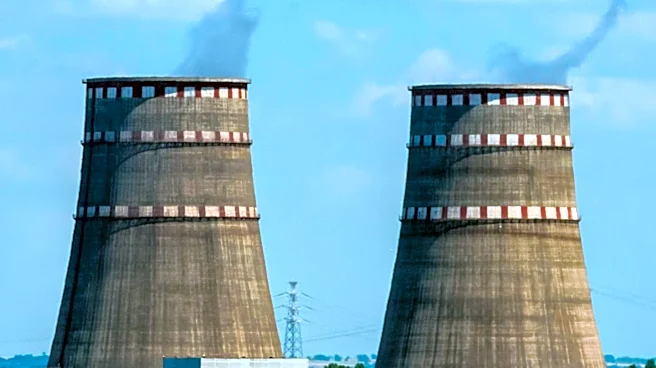
that the energy system was overburdened to accommodate large investors, leading to its current precarious state. The situation has been exacerbated by recent heatwaves, prompting Hungary to implement emergency energy-saving measures. The crisis is reminiscent of issues faced by Romania's Cernavodă Nuclear Power Plant, which is also struggling due to environmental factors.
Why It's Important?
The alleged inaction by Orbán's government highlights significant governance and policy challenges in Hungary's energy sector. The crisis underscores the risks of over-reliance on outdated infrastructure and the lack of diversification in energy sources. This situation could have broader implications for Hungary's economic stability and investor confidence. The emergency measures indicate a reactive rather than proactive approach, which may not be sustainable in the long term. The crisis also raises questions about the government's priorities and its ability to manage critical national infrastructure effectively.
What's Next?
Hungary may need to explore long-term solutions to stabilize its energy system, including investments in renewable energy and infrastructure upgrades. The government might face increased scrutiny from both domestic and international stakeholders, potentially impacting its political standing. There could be calls for accountability and transparency regarding past decisions and future plans. The situation may also influence Hungary's energy policy and its relations with neighboring countries, especially if cross-border energy cooperation becomes necessary.
Beyond the Headlines
The energy crisis in Hungary could lead to a reevaluation of national energy policies across Europe, particularly in the context of climate change and energy security. It highlights the importance of sustainable energy practices and the potential consequences of neglecting infrastructure maintenance. The crisis may also prompt discussions on the ethical responsibilities of governments to ensure the reliability and safety of essential services for their citizens.