




What's Happening?
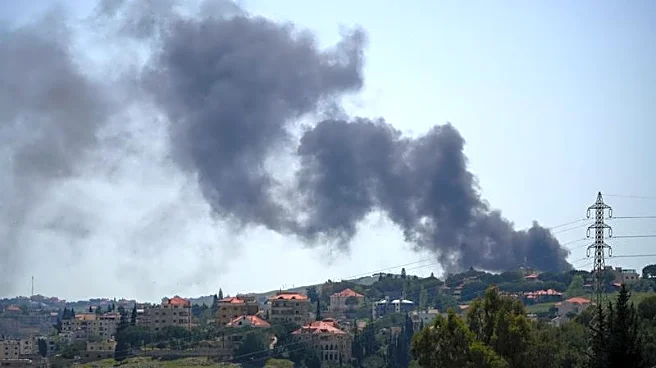
The United Arab Emirates (UAE) reportedly conducted a secret airstrike on Iran's Lavan Island, targeting a refinery and causing significant damage. This action occurred around the time US President Trump announced a ceasefire, but the UAE has not publicly
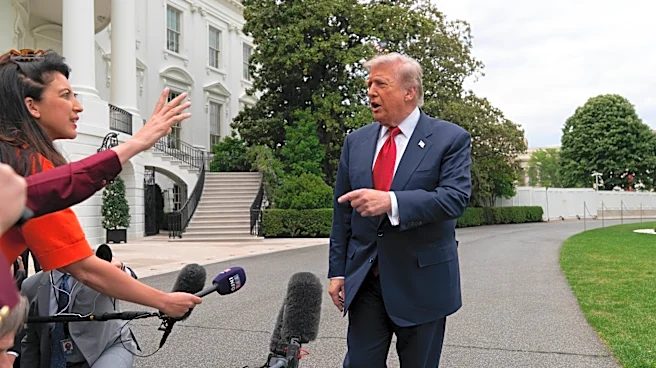
acknowledged the strike. The Wall Street Journal reports that Washington quietly welcomed the UAE's involvement, viewing it as a positive step in the regional conflict against Iran. The UAE's Foreign Ministry has not commented directly on the strike but has previously stated its right to respond to hostile actions. This development marks a significant escalation in the regional conflict, involving a key Gulf state.
Why It's Important?
The UAE's secret strike on Iran represents a notable shift in the regional power dynamics, as it involves a Gulf state directly in military actions against Iran. This escalation could have significant implications for regional stability and international relations. The involvement of the UAE, a key US ally, highlights the complex geopolitical landscape in the Middle East, where security ties and economic interests often intersect. The strike also underscores the potential for further military engagements in the region, which could impact global energy markets and diplomatic relations.
What's Next?
The secretive nature of the UAE's strike on Iran suggests potential for further covert operations in the region. The involvement of Gulf states in military actions against Iran may lead to increased tensions and potential retaliatory measures from Tehran. The US's quiet approval of the strike indicates a strategic alignment with Gulf allies, which could influence future diplomatic and military strategies in the region. Stakeholders will likely monitor the situation closely, as further developments could impact regional security, energy markets, and international diplomatic efforts to address the conflict.