





What's Happening?
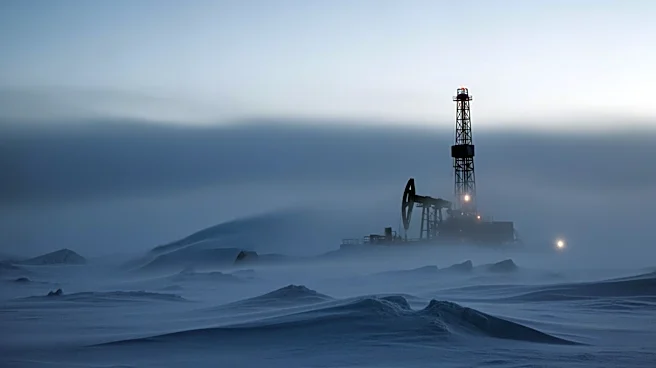
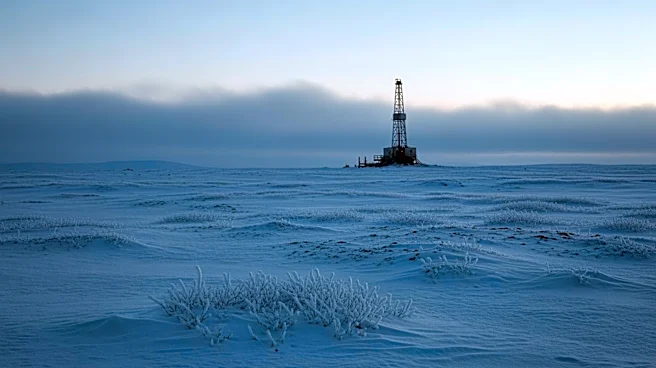
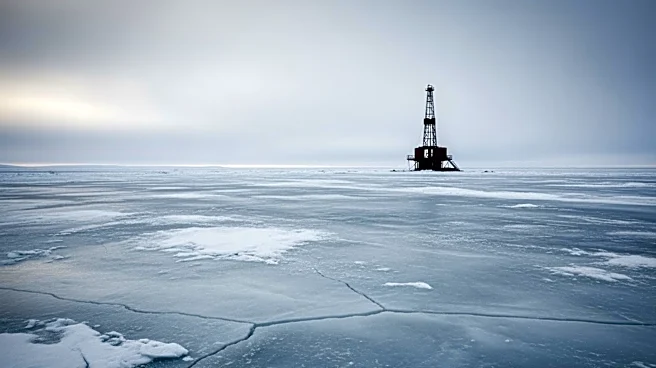
The latest oil and gas lease sale in Alaska's Arctic National Wildlife Refuge attracted bids from only two companies, marking a modest interest in the potential development of the region. The Alaska Industrial Development and Export Authority secured
three tracts, while Hex Energy LLC obtained two, covering approximately 72,000 acres out of the 690,000 acres offered. The total winning bids amounted to $3.7 million. Despite the limited interest, the sale represents a step towards potential oil exploration in the area. The Trump administration has been actively promoting drilling in the Arctic, despite ongoing litigation and environmental concerns. The Gwich'in, an Alaska Native group, oppose the development, citing the sacred nature of the caribou calving grounds in the coastal plain. Conversely, some Alaska Native leaders support the development for its potential to create jobs and revenue.
Why It's Important?
The lease sale in the Arctic National Wildlife Refuge is significant due to its potential impact on both the environment and the economy. The region is home to diverse wildlife and is considered sacred by the Gwich'in people, who rely on the caribou herds for sustenance. Environmental groups argue that drilling could irreversibly damage the ecosystem, especially in light of climate change. On the other hand, proponents of the lease sale see it as an opportunity to boost U.S. oil production and provide economic benefits to local communities. The sale reflects the ongoing debate between environmental preservation and resource development, highlighting the challenges of balancing economic interests with ecological and cultural preservation.
What's Next?
The future of oil exploration in the Arctic National Wildlife Refuge remains uncertain, with pending litigation challenging the leasing program. Environmental groups and the Gwich'in people are likely to continue their efforts to protect the region from development. Meanwhile, the Trump administration's policies may face scrutiny and potential changes under future administrations. The outcome of these legal and political battles will determine the extent to which the Arctic region is opened to oil exploration and the subsequent environmental and economic impacts.
Beyond the Headlines
The lease sale in the Arctic National Wildlife Refuge raises broader questions about the ethical implications of resource extraction in ecologically sensitive areas. The tension between economic development and environmental conservation is a recurring theme in U.S. policy, reflecting deeper societal values and priorities. The decision to pursue oil exploration in the Arctic also underscores the ongoing reliance on fossil fuels, despite global efforts to transition to renewable energy sources. This development could influence future policy decisions and shape the discourse around sustainable resource management.